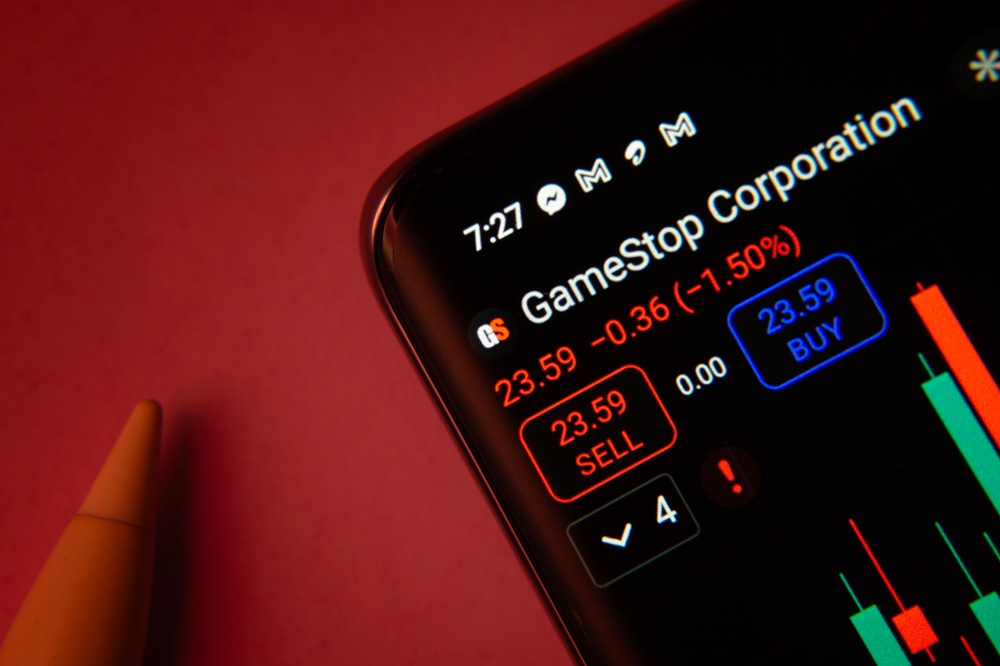
นี่คือจุดที่บริษัทจากสถานะ 'เอกชน' กลายเป็น 'มหาชน' และทำให้ตลาดได้เห็นภาพภายในของบริษัทอย่าง OpenAI, SpaceX และกลุ่มบริษัทหน้าใหม่ที่มีความหวังจะเข้าจดทะเบียนใน ASX เป็นครั้งแรกอย่างแท้จริง

การเสนอขายหุ้นต่อประชาชนทั่วไปเป็นครั้งแรก (IPO) คือเมื่อบริษัทเอกชนนำหุ้นของตนออกเสนอขายต่อสาธารณชนเป็นครั้งแรก ก่อน IPO หุ้นมักถือครองโดยผู้ก่อตั้ง พนักงานรุ่นแรก และนักลงทุนเอกชนเท่านั้น แต่การเข้าตลาดจะเปิดให้หุ้นเหล่านั้นเข้าถึงตลาดที่กว้างขึ้น
สำหรับเทรดเดอร์ IPO อาจเป็นโอกาสแรกในการเข้าถึงหุ้นของบริษัทโดยตรง IPO สามารถสร้างสภาพแวดล้อมเฉพาะที่มีความผันผวนสูงและความสนใจเพิ่มขึ้น แต่ก็มีความเสี่ยงสูงกว่าเช่นกัน เพราะประวัติราคามีจำกัดและอารมณ์ตลาดอาจเปลี่ยนแปลงได้อย่างรวดเร็ว

มูลค่าระดมทุน IPO ทั่วโลกในปี 2025 เพิ่มขึ้น 39% เมื่อเทียบกับปีก่อน
มูลค่าประเมินรวมของผู้สมัคร IPO ชั้นนำในปี 2026
จำนวนบริษัทที่เข้าจดทะเบียนทั่วโลกในปี 2025 ซึ่งเป็นการฟื้นตัวที่แข็งแกร่งที่สุดนับตั้งแต่ช่วงบูมหลังโควิด

| บริษัท | มูลค่าประเมิน | ตลาดหลักทรัพย์ | สถานะ |
|---|---|---|---|
Imported item 3 | ~US$350 billion | Nasdaq | Rumoured |
Imported item 4 | ~US$140 billion | NYSE/Nasdaq | Rumoured |
Imported item 5 | ~US$134 billion | Nasdaq | Expected |
Imported item 6 | ~US$7.9 billion | Nasdaq and ASX CDI | Expected |
Imported item 7 | ~A$6 billion | ASX | Expected |
Imported item 8 | ~A$4 billion plus | ASX | Rumoured |
OpenAI Artificial intelligence | ~US$850 billion | Nasdaq | Expected |
SpaceX | ~US$1.5 trillion | Nasdaq | Expected |
กระบวนการเข้าจดทะเบียนทำงานอย่างไร
เมื่อถึงวันเข้าจดทะเบียน นักลงทุนสถาบันมักประเมินบริษัทไปแล้ว การเข้าใจกระบวนการหกขั้นตอนช่วยให้เทรดเดอร์เห็นว่าอะไรอาจสะท้อนอยู่ในราคาก่อนที่หุ้นจะเปิดซื้อขายในตลาดวงกว้าง
บริษัทเลือกผู้จัดจำหน่ายหลักทรัพย์เพื่อประเมินฐานะการเงิน โครงสร้างองค์กร และตำแหน่งทางการตลาด
ผู้จัดจำหน่ายหลักทรัพย์ดำเนินการตรวจสอบสถานะและยื่นเอกสารเปิดเผยข้อมูลต่อหน่วยงานกำกับดูแลที่เกี่ยวข้อง
ผู้บริหารนำเสนอแก่นักลงทุนสถาบันและนักวิเคราะห์ นี่คือช่วงที่สร้างความต้องการและกำหนดความคาดหวังด้านราคา ก่อนที่เทรดเดอร์รายย่อยจะได้เห็นหุ้น
จากข้อเสนอแนะในช่วงโรดโชว์ ผู้จัดจำหน่ายหลักทรัพย์จะกำหนดราคาหุ้นสุดท้ายและตัดสินใจว่าจะออกหุ้นจำนวนเท่าใด
หุ้นเริ่มซื้อขายในตลาดหลักทรัพย์ที่เลือก สำหรับเทรดเดอร์ส่วนใหญ่ นี่คือโอกาสแรกในการเทรดหุ้นนั้น
เมื่อเป็นบริษัทมหาชนแล้ว บริษัทต้องเผยแพร่ผลประกอบการทางการเงินอย่างสม่ำเสมอและปฏิบัติตามมาตรฐานธรรมาภิบาลของตลาดหลักทรัพย์นั้น
การเทรด IPO ด้วย CFD
วันเข้าจดทะเบียน IPO มักถูกกำหนดด้วยการแกว่งตัวของอารมณ์ตลาดอย่างรุนแรงและประวัติราคาที่บาง ปัจจัยทั้งสองนี้อาจทำให้การถือครองแบบซื้อแล้วถือยากต่อการบริหาร CFD ช่วยให้เทรดเดอร์มองได้ทั้งสองทิศทางของการเคลื่อนไหว กำหนดขนาดสถานะได้อย่างแม่นยำ และตอบสนองได้รวดเร็วเมื่อเรื่องราวพัฒนาไป
เทรดการพุ่งขึ้นช่วงแรกหรือการปรับฐานหลังความคึกคัก CFD ช่วยให้คุณเปิดสถานะได้ทั้งสองทิศทางตั้งแต่วันเข้าจดทะเบียนเป็นต้นไป
ความผันผวนของ IPO มักกระจุกตัวในช่วงวันและสัปดาห์แรก CFD เหมาะอย่างยิ่งกับหน้าต่างเวลาที่สั้นและขับเคลื่อนด้วยเหตุการณ์เหล่านี้
คำสั่ง Stop Loss และ Limit Order สามารถช่วยกำหนดความเสี่ยงก่อนเข้าตลาด ซึ่งสำคัญเมื่อกระบวนการค้นหาราคายังดำเนินอยู่
เข้าถึง CFD หุ้นในตลาดสหรัฐฯ และออสเตรเลีย รวมถึงบริษัทอย่าง Rokt และ Firmus Technologies ได้จากบัญชีเดียว

เข้าถึง CFD หุ้นสหรัฐฯ และออสเตรเลีย พร้อมการส่งคำสั่งที่รวดเร็ว ราคาที่แข่งขันได้ และเครื่องมือบริหารความเสี่ยงในตัว

เข้าถึง CFD หุ้นสหรัฐฯ และออสเตรเลีย พร้อมการส่งคำสั่งที่รวดเร็ว ราคาที่แข่งขันได้ และเครื่องมือบริหารความเสี่ยงในตัว


คำกล่าวที่ว่า 'ผู้บริโภคมีความยืดหยุ่น' (Resilient consumer) ซึ่งถูกนำมาพูดซ้ำแล้วซ้ำเล่าในการรายงานผลประกอบการนั้น ดูเหมือนจะทำงานหนักเกินจริงไปหน่อย ซึ่งข้อมูลในระดับดัชนีก็ช่วยตอกย้ำภาพนั้น เช่น ยอดค้าปลีกพาดหัวยังคงทรงตัว และการใช้จ่ายดูแข็งแกร่ง หากคุณหยุดอ่านเพียงเท่านี้ เรื่องราวก็จะดูเรียบง่ายทันทีแต่มันไม่ได้เป็นเช่นนั้น
ภายใต้ภาพที่เห็น คือเศรษฐกิจแบบ 'หน้าจอแยก' หรือที่เรียกว่า K-shape ซึ่งผู้บริโภคกลุ่มหนึ่งได้รับอานิสงส์จากความมั่งคั่งในสินทรัพย์ การถือครองหุ้นขนาดใหญ่ของสหรัฐฯ และการพุ่งขึ้นของหุ้นกลุ่ม AI ในขณะที่ผู้บริโภคอีกกลุ่มหนึ่งกลับต้องติดอยู่กับตัวเลขที่ไม่น่าพิสมัยอย่างราคาน้ำมัน ยอดชำระขั้นต่ำของบัตรเครดิต และเงินกู้ซื้อรถยนต์ที่เริ่มส่งค่างวดได้ยากขึ้นในทุกๆ เดือน
สำหรับเทรดเดอร์ CFD ค่าเฉลี่ยคือตัวปัญหา สิ่งสำคัญคือหุ้น เซกเตอร์ หรือคู่เงินที่คุณเทรดนั้นอิงอยู่กับ 'ขา' ข้างไหนของตัว K เพราะนั่นคือจุดที่อัตรากำไร (Margins) การคาดการณ์ผลประกอบการ CFD รายหุ้น ดัชนี สินค้าโภคภัณฑ์ และตลาดอัตราแลกเปลี่ยน จะเริ่มเล่าเรื่องราวที่แตกแยกกันมากขึ้น"
"K" เป็นเพียงรูปทรงของกราฟครับ เส้นหนึ่งพุ่งขึ้น อีกเส้นหนึ่งปักลง เมื่อนำรูปทรงนี้มาเปรียบเทียบกับภาคครัวเรือน คุณจะได้แบบจำลองที่ใช้งานได้จริงว่าใครคือผู้ที่ได้รับประโยชน์จากวัฏจักรปัจจุบัน และใครกำลังถูกบีบคั้นโดยมัน
แขนท่อนบน: เมื่อความมั่งคั่งในสินทรัพย์กลายเป็นแรงขับเคลื่อนหลักแขนท่อนบนคือกลุ่มที่ร่ำรวยด้วยสินทรัพย์ครับ ครัวเรือนเหล่านี้เป็นเจ้าของบ้าน ถือครองหุ้นเป็นจำนวนมาก และได้รับประโยชน์จากการพุ่งขึ้นของหุ้นขนาดใหญ่ในสหรัฐฯ ที่เชื่อมโยงกับ AI มูลค่าทรัพย์สินสุทธิพุ่งสูงขึ้นเร็วกว่าอัตราเงินเฟ้อ ซึ่งหมายความว่าการใช้จ่ายของพวกเขาอาจไวต่อราคาน้อยลงและพึ่งพาการกู้น้อยลงด้วย ประมาณ 87% ของหุ้นสหรัฐฯ ทั้งหมดถือครองโดยครัวเรือนกลุ่มท็อป 10% และการกระจุกตัวนี้มีความสำคัญมากเมื่อตลาดพุ่งสูงขึ้น เพราะผลกระทบจากความมั่งคั่ง (Wealth effect) ตกไปอยู่ที่คนกลุ่มน้อยกว่าที่หลายคนคิดครับ
แขนท่อนล่างเล่าเรื่องที่ต่างออกไปครับ ด้วยอัตราเงินเฟ้ออย่างเป็นทางการของสหรัฐฯ ที่ยังคงอยู่ที่ประมาณ 3.7% ผู้มีรายได้น้อยจึงต้องใช้จ่ายกับสิ่งของจำเป็นมากขึ้นและเริ่มหันไปพึ่งพาสินเชื่อ อัตราการผิดนัดชำระหนี้สินเชื่อรถยนต์พุ่งสูงขึ้นแตะระดับสูงสุดนับตั้งแต่ปี 2010
นี่ไม่ใช่สัญญาณของเศรษฐกิจถดถอยในตัวมันเองครับ แต่มันคือสัญญาณของความตึงเครียด และเนื่องจากความตึงเครียดมักจะไม่หยุดอยู่แค่ที่เดียว มันจึงสามารถเริ่มปรากฏในสัดส่วนการใช้จ่ายก่อนที่จะแสดงผลในข้อมูลพาดหัวหลักได้
เบาะแสที่ตลาดไม่สามารถมองข้ามได้ประเด็นสำคัญคือสิ่งนี้ครับ: ปัจจุบันกลุ่มผู้มีรายได้สูงสุด 20% ในสหรัฐฯ ครองสัดส่วนการใช้จ่ายเพื่อการค้าปลีกรวมมากกว่า 60% เมื่อคุณทำความเข้าใจจุดนี้ได้แล้ว กราฟหุ้นกลุ่มผู้บริโภคหลายๆ ตัวจะเริ่มดูสมเหตุสมผลมากขึ้นทันทีครับ
เตรียมพร้อมสำหรับเหตุการณ์ที่กำลังจะเกิดขึ้น และทบทวนแนวทางของคุณก่อนการซื้อขาย
ความแตกแยกนี้ไม่ใช่เรื่องใหม่ครับ เพราะตลาดเคยเห็นเหตุการณ์ในเวอร์ชันนี้มาแล้ว เมื่อผ่านไปในแต่ละวัฏจักร รูปแบบที่น่าอึดอัดใจเดิมๆ จะกลับมาให้เห็นอีกครั้ง นั่นคือส่วนหนึ่งของเศรษฐกิจผู้บริโภคยังคงเดินหน้าต่อไป ในขณะที่อีกส่วนเริ่มส่งสัญญาณชะลอตัว
เศรษฐกิจตัว K ไม่ใช่เรื่องใหม่ครับ แต่สิ่งที่แตกต่างในปี 2026 คือความเร็วและการกระจุกตัวของแขนท่อนบน ความมั่งคั่งในหุ้นที่เชื่อมโยงกับ AI ได้อัดฉีดพลังให้กับกลุ่มผู้บริโภคที่ร่ำรวยด้วยสินทรัพย์ เร็วกว่าวัฏจักรความเหลื่อมล้ำครั้งใดๆ ในอดีต
การเติบโตของรายได้กลุ่มบน 5% พุ่งขึ้น 4.1% ต่อปี การเป็นเจ้าของหุ้นเริ่มมีการกระจุกตัวอย่างมีนัยสำคัญ ซึ่งถือเป็นจุดเริ่มต้นของยุคสมัยแห่งความแตกแยกในปัจจุบันครับ
ประมาณ 95% ของกำไรจากการฟื้นตัวตกไปอยู่ที่กลุ่มบนสุดเพียง 1% ขณะที่ผู้ถือครองทรัพย์สินกลุ่มล่าง 80% สูญเสียความมั่งคั่งไปถึง 39% ตลาดหุ้นดีดตัวขึ้นอย่างรุนแรงในขณะที่ตลาดที่อยู่อาศัยยังคงซบเซา
มาตรการกระตุ้นเศรษฐกิจช่วยบีบรูปทรงตัว K ให้แคบลงชั่วคราว ทว่าการพุ่งขึ้นของตลาดหุ้นในเวลาต่อมาทำให้กลุ่มท็อป 10% กวาดกำไรจากหุ้นบริษัทไปได้ถึงประมาณ 90% ของทั้งหมด
ปัจจุบันกลุ่มท็อป 10% ขับเคลื่อนการใช้จ่ายของผู้บริโภครวมถึง 49% ซึ่งเป็นสัดส่วนที่สูงที่สุดนับตั้งแต่ปี 1989 หุ้นที่เชื่อมโยงกับ AI ได้เร่งความเร็วของแขนท่อนบนในเชิงโครงสร้างด้วยความเร็วระดับสถิติใหม่ครับ
ข้อมูลมวลรวม เช่น ยอดค้าปลีกพาดหัว สินเชื่อผู้บริโภคทั้งหมด และการเคลื่อนไหวของดัชนีในวงกว้าง เป็นการนำค่าเฉลี่ยของทุกคนมารวมกันครับ ในเศรษฐกิจที่มีผู้บริโภคกลุ่มเดียว ค่าเฉลี่ยนั้นมีประโยชน์ แต่ในเศรษฐกิจรูปตัว K ค่าเฉลี่ยอาจทำให้คุณเข้าใจผิดได้ สิ่งสำคัญคือบริษัทที่คุณกำลังสนใจนั้นตั้งอยู่บน "ขา" ข้างไหนของตัว K และราคาในตลาดได้สะท้อนความจริงนั้นออกมาแล้วหรือยัง
สิ่งนี้เปลี่ยนพฤติกรรมของ 3 ปัจจัยสำคัญ ดังนี้:
1. ความแตกต่าง (Dispersion): หุ้นสองตัวในเซกเตอร์เดียวกันสามารถประกาศผลประกอบการที่ต่างกันอย่างสุดขั้ว ขึ้นอยู่กับว่ากลุ่มลูกค้าของพวกเขาคือใคร การเคลื่อนไหวของดัชนีอาจบดบังความจริงข้อนี้ แต่ CFD รายหุ้นทำไม่ได้ครับ ร้านค้าปลีกสินค้าหรูหราและร้านค้าสินค้าราคาประหยัดอาจจัดอยู่ในกลุ่มสินค้าอุปโภคบริโภคเหมือนกัน แต่พวกเขาไม่ได้เทรดอยู่บนงบดุลของครัวเรือนประเภทเดียวกัน สายการบินระดับพรีเมียมและสายการบินราคาประหยัดอาจรายงานตัวเลขอุปสงค์การเดินทางเหมือนกัน แต่สัดส่วนลูกค้าที่ต่างกันทำให้เรื่องราวของกำไรนั้นต่างกันโดยสิ้นเชิง
สำหรับเทรดเดอร์ ชื่อเรียกเซกเตอร์เป็นเพียงชั้นแรกเท่านั้น แต่ฐานลูกค้าคือชั้นที่สองที่สำคัญกว่าครับ
2. แรงกดดันต่ออัตรากำไร (Margin pressure): บริษัทที่ให้บริการกลุ่มแขนท่อนล่างอาจถูกบังคับให้ต้องลดราคาสินค้ามากขึ้นเรื่อยๆ ตัวอย่างเช่น PepsiCo ได้ปรับลดราคาสินค้ากลุ่มขนมขบเคี้ยวลงประมาณ 15% การบีบอัดของกำไรในกลุ่มล่างนี้มักจะไม่แสดงผลทันทีในตัวเลขผลประกอบการพาดหัว แต่มักจะไปปรากฏในภายหลังผ่าน "การคาดการณ์อนาคต" (Guidance)
นี่คือจุดที่เทรดเดอร์ CFD ต้องระวังในการอ่านข้อมูลครั้งแรกครับ บริษัทอาจมีรายได้สูงกว่าคาด แต่ยังคงให้การคาดการณ์ที่ระมัดระวัง หากพวกเขาต้องปกป้องยอดขายด้วยการจัดโปรโมชั่น การตัดราคา หรือยอมให้อัตรากำไรอ่อนแอลง
3. สัญญาณด้านสินเชื่อ: ธนาคารยักษ์ใหญ่มักเผยแพร่บทวิเคราะห์รูปตัว K ของตนเองทุกไตรมาส ล่าสุด JPMorgan ได้ระบุในการอัปเดตรายไตรมาสว่า ผู้กู้ที่มีรายได้สูงยังคงรักษาระดับได้ดี ในขณะที่กลุ่มที่มีรายได้น้อยเริ่มแสดงอาการตึงเครียดผ่านการตัดหนี้สูญของบัตรเครดิตที่เพิ่มขึ้น แม้ JPMorgan จะรายงานรายได้บริหารจัดการที่ 5.05 หมื่นล้านดอลลาร์สหรัฐฯ ในไตรมาสล่าสุด ตัวเลขพาดหัวก็เรื่องหนึ่ง แต่บทวิเคราะห์เชิงลึกรูปตัว K ภายในรายงานนั้นเป็นอีกเรื่องหนึ่งเลยครับ
ภาษาในลักษณะนี้เคยนำไปสู่การปรับสมดุลราคา (Repricing) ครั้งใหญ่ของหุ้นกลุ่มที่เน้นผู้บริโภคในวัฏจักรก่อนๆ แม้ว่าครั้งนี้อาจไม่ได้การันตีว่าจะเกิดซ้ำรอยเดิมเสมอไปก็ตามครับ
วิธีหนึ่งในการวิเคราะห์ธีมผู้บริโภครูปตัว K คือการเปรียบเทียบหุ้นเป็นคู่ๆ แทนที่จะดูเป็นรายตัวครับ นี่ไม่ใช่การตัดสินว่าหุ้นตัวไหนดีหรือไม่ดี แต่เป็นวิธีเปรียบเทียบให้เห็นภาพว่าฐานลูกค้าที่แตกต่างกันสามารถส่งผลต่อบทวิเคราะห์ในตลาดและพฤติกรรมราคาได้อย่างไร
การอ้างอิงแหล่งที่มาและข้อความปฏิเสธความรับผิดชอบ: ข้อมูลและตัวอย่างนำมาจาก S&P Global Market Intelligence, Federal Reserve Distributional Financial Accounts, ประกาศของบริษัทใน ASX, ข้อมูลสินเชื่อครัวเรือนของ RBA, การอัปเดตกลยุทธ์ของ PepsiCo ในเดือนกุมภาพันธ์ 2026 และผลประกอบการครึ่งปี 2026 ของ Wesfarmers โดยบริษัทต่างๆ จะถูกจัดหมวดหมู่ตามกลุ่มประชากรหลักที่สร้างรายได้อ้างอิงจากรายงานประจำปีล่าสุด "รายการเฝ้าติดตามสำหรับเทรดเดอร์ CFD" จัดทำขึ้นเพื่อให้ข้อมูลทั่วไปและความเห็นเพื่อการศึกษาเท่านั้น ชื่อบริษัทที่ใช้ประกอบเพื่ออธิบายธีม "ผู้บริโภครูปตัว K" ไม่ใช่คำแนะนำทางการเงิน การชี้ชวน หรือการชักชวนให้ซื้อ ขาย หรือถือครองหลักทรัพย์, CFD, อนุพันธ์ หรือผลิตภัณฑ์ทางการเงินอื่นๆ
สำหรับเทรดเดอร์ CFD ชาวออสเตรเลีย ธีมผู้บริโภครูปตัว K สามารถส่งผลต่อหน้าจอเทรดในท้องถิ่นผ่าน 3 ช่องทางที่ชื่อหุ้นสหรัฐฯ เพียงอย่างเดียวไม่สามารถครอบคลุมได้:
แท็บ APAC ในรายการเฝ้าติดตามได้แสดงภาพตัว K ลงบนหุ้นกลุ่มผู้บริโภคของออสเตรเลียครับ โดย Wesfarmers เป็นตัวอย่างที่ชัดเจนที่สุด เพราะ Kmart และ Bunnings ตั้งอยู่คนละแขนของธุรกิจเดียวกัน ขณะที่ Endeavour และ Coles แสดงภาพการต่อสู้ระหว่างสินค้าฟุ่มเฟือยและสินค้าจำเป็น ส่วน Flight Centre และ Webjet ทำหน้าที่เดียวกันในกลุ่มท่องเที่ยว และ Macquarie กับ Latitude แยกเรื่องราวของสถานะสินเชื่อออกจากกันครับ
แขนท่อนบนไม่ได้เป็นเรื่องราวแค่ในสหรัฐฯ เท่านั้นครับ LVMH, Hermès และ Richemont ล้วนอยู่ปลายน้ำของผู้บริโภคระดับไฮเอนด์ชาวจีน การวิเคราะห์กลุ่มสินค้าหรูหราที่อ่อนแอลงในเอเชียสามารถส่งผลต่อบรรยากาศการเปิดรับความเสี่ยงในวงกว้าง ความเชื่อมั่นในกลุ่มเหมืองแร่ และคู่เงิน AUD/USD ก่อนที่จะแสดงผลในข้อมูลของสหรัฐฯ ด้วยซ้ำ นั่นคือเหตุผลที่หุ้นกลุ่มหรูหราสามารถเป็นสัญญาณเตือนล่วงหน้าได้ครับ
แขนท่อนล่างของสหรัฐฯ ที่ตึงตัวอาจบีบให้ Federal Reserve ต้องดำเนินนโยบายในเชิงผ่อนคลาย (Dovish) มากขึ้น ซึ่งอาจกดดันดอลลาร์สหรัฐฯ และหนุนคู่เงิน AUD/USD ขึ้นอยู่กับความเชื่อมั่นในสินค้าโภคภัณฑ์และการตัดสินใจของ RBA เรื่องราวของผู้บริโภครูปตัว K ไม่ได้เป็นเพียงเรื่องของค้าปลีกเสมอไปครับ บางครั้งมันแสดงผลในตลาด FX ก่อนเป็นอันดับแรก
อัตราการตัดหนี้สูญของธนาคารและการคาดการณ์จากผู้ค้าปลีกสินค้าฟุ่มเฟือยเริ่มยืนยันหรือหักล้างทิศทางความเหลื่อมล้ำ (Dispersion narrative)
กำไรจากหุ้นที่เชื่อมโยงกับ AI ยังคงส่งผลบวกต่อความมั่งคั่งในกลุ่มผู้บริโภคระดับบน
รายงานสินเชื่อผู้บริโภคฉบับถัดไปแสดงให้เห็นความเปราะบางที่เพิ่มขึ้นในกลุ่มผู้มีรายได้น้อย
ถ้อยแถลงของ Fed เกี่ยวกับสภาวะทางการเงิน, ข้อมูลสินเชื่อผู้บริโภคสหรัฐฯ, ถ้อยคำในรายงานผลประกอบการธนาคาร และหุ้นกลุ่มผู้บริโภคใน ASX
รอยแยกตัว K ยังคงดำเนินต่อไปจนถึงกลางปี โดยดัชนีในวงกว้างยังคงบดบังความจริงนี้ไว้
การเริ่มลดอัตราดอกเบี้ยช่วยบรรเทาภาระให้กับทั้งสองกลุ่มไม่เท่ากัน โดยครัวเรือนที่มีรายได้น้อยและไวต่อดอกเบี้ยเริ่มได้รับการผ่อนคลาย
ราคาน้ำมัน Brent ที่ยืนเหนือ 120 ดอลลาร์สหรัฐฯ อย่างต่อเนื่อง กดดันงบประมาณสินค้าฟุ่มเฟือยระดับกลางและบีบให้ต้องปรับลดการคาดการณ์กำไร
การปรับเปลี่ยนใน Dot Plot ของ Fed, ผลกระทบต่ออุปทานน้ำมัน, การคาดการณ์จากผู้ค้าปลีก, อุปสงค์สินค้าหรูหราในจีน, คู่เงิน AUD/USD และความเชื่อมั่นในกลุ่มเหมืองแร่
ข้อความปฏิเสธความรับผิดชอบต่อสถานการณ์จำลอง: สถานการณ์ "30 วันข้างหน้า" และ "3 เดือนข้างหน้า" เป็นเพียงแบบจำลองสถานการณ์สมมติเพื่อทดสอบสมมติฐานของตลาดและระบุปัจจัยกระตุ้นที่อาจเกิดขึ้นเท่านั้น ไม่ใช่ความเห็นอย่างเป็นทางการ การพยากรณ์ การรับประกัน หรือการทำนายความเคลื่อนไหวของตลาดในอนาคต เป้าหมายราคาน้ำมัน Brent การอ้างถึงนโยบายของ Fed หรือเกณฑ์มาตรฐานตลาดอื่นๆ เป็นเพียงการสมมติขึ้นเท่านั้น
หากหุ้นกลุ่ม AI พลิกกลับเป็นขาลง การใช้จ่ายของกลุ่มบนอาจอ่อนแอลงเร็วกว่าที่ข้อมูลปัจจุบันบ่งชี้
ความต้องการสินค้าหรูหราอาจซบเซาลงหากผู้บริโภคระดับไฮเอนด์ของจีนเริ่มชะลอการใช้จ่าย
หากราคาพลังงานปรับตัวลงแทนที่จะพุ่งสูงขึ้น แรงกดดันในกลุ่มล่างจะผ่อนคลายลงและธีมการแยกตัวจะคลายความร้อนแรง
คู่เงิน AUD/USD อาจเคลื่อนไหวสวนทางกับความคาดหวังหากราคาสินค้าโภคภัณฑ์ลดลง หรือ RBA ดำเนินนโยบายต่างจากทิศทางของโลก
ในตอนที่ธีมใดธีมหนึ่งถูกพูดถึงกันอย่างกว้างขวาง ความเคลื่อนไหวส่วนใหญ่อาจถูกสะท้อนเข้าไปในราคาของตราสารต่างๆ เรียบร้อยแล้ว
CFD เป็นตราสารที่มีเลเวอเรจ ความเหลื่อมล้ำที่กว้างขึ้นอาจหมายถึงความเสี่ยงจากช่องว่างราคา (Gap risk) ที่สูงขึ้นในช่วงประกาศผลประกอบการ และต้องอาศัยการวางจุดตัดขาดทุน (Stop placement) ที่รัดกุมกว่าปกติครับ
ข้อมูลทั่วไปเท่านั้น สถานการณ์ที่นำเสนอเป็นเพียงการจำลอง สภาวะในโลกแห่งความเป็นจริงอาจมีความผันผวนและการเปลี่ยนแปลงที่คาดไม่ถึง
กราฟรูปตัว K ไม่ใช่การพยากรณ์ แต่มันคือเลนส์ที่ใช้มองเศรษฐกิจ ซึ่งจะบีบให้เราต้องตั้งคำถามที่ข้อมูลพาดหัวมักจะมองข้ามไปว่า: จริงๆ แล้วฉันกำลังเทรดกับผู้บริโภคกลุ่มไหนกันแน่?
สำหรับเทรดเดอร์ CFD การหาคำตอบนี้คือความแตกต่างระหว่างการเคลื่อนไหวของดัชนีรวม กับการเทรด CFD รายหุ้นที่อาจให้ผลลัพธ์ในทางตรงกันข้าม
บททดสอบถัดไปประกอบด้วย 3 ส่วน:
เป้าหมายไม่ใช่การทำนายว่ารอยแยกจะเกิดขึ้นเมื่อไหร่ แต่คือการตัดสินใจว่าคุณจะตอบสนองอย่างไรก่อนที่มันจะเกิดขึ้น เพราะในวันที่ข่าวพาดหัวออกมา ราคาและโอกาสในการทำกำไรอาจเคลื่อนที่ไปเรียบร้อยแล้ว
ติดตามประเด็นในเอเชียแปซิฟิกและตรวจสอบความเคลื่อนไหวที่เกิดขึ้น


เราใช้เวลาสามช่วงสุดท้ายของซีรีส์นี้ในการทำแผนที่ท่อประปาของเศรษฐกิจปี 2026: ธนาคาร ที่ยึดเมืองหลวง สาธารณูปโภค ที่จัดหาอิเล็กตรอน และ ผู้ผลิตชิป สร้างซิลิคอนเมื่อฤดูกาลรายงานเดือนเมษายนก้าวเข้าสู่การกระทำสุดท้าย ความสนใจก็เปลี่ยนไปที่ประตูหน้า
Meta, Amazon และ Apple ตั้งอยู่ในจุดที่การสร้าง AI พบกับผู้บริโภคและธุรกิจในชีวิตประจำวัน
การแบ่งแยกที่ยากลำบากซึ่งบางครั้งเรียกว่า “การกระจายตัวครั้งใหญ่” กำลังเปิดอยู่ระหว่าง บริษัท ที่เปิดใช้งาน AI และ บริษัท ที่สร้างรายได้Meta และ Amazon อยู่ในศูนย์กลางของวงจรค่าใช้จ่ายเงินทุนจำนวนมาก (capex) เมื่อเทียบกับการใช้จ่ายทั่วทั้งอุตสาหกรรมโดยประมาณประมาณ 650 พันล้านดอลลาร์ถึง 700 พันล้านดอลลาร์สหรัฐในปี 2026
นั่นคือเหตุผลที่ตัวชี้วัดผลตอบแทนจากการลงทุน (ROI) เป็นสิ่งที่สำคัญที่สุด
ในปี 2026 คำถามไม่ใช่แค่ใครสามารถสร้างศูนย์ข้อมูลได้อีกต่อไปคือใครสามารถเปลี่ยนการลงทุนเหล่านั้นให้กลายเป็นกำไรที่มีมาร์จิ้นสูงที่ยั่งยืนเนื่องจากตลาดพลังงานสงบลงหลังจากการหยุดยิงเมื่อเร็ว ๆ นี้ การประเมินเทคโนโลยีจึงมีช่องว่างให้หายใจตอนนี้ตลาดต้องการหลักฐาน
IMPORTANT: REPORTING SCHEDULES CAN CHANGE WITHOUT NOTICE. REPORTING DATES AND RELEASE TIMES ARE FROM COMPANY INVESTOR RELATIONS CALENDARS WHERE MARKED CONFIRMED; OTHERWISE THEY ARE GO MARKETS ESTIMATES. CONSENSUS EPS, REVENUE AND ANALYST-RANGE DATA ARE FROM THIRD-PARTY MARKET CONSENSUS SOURCES, AS OF 20 APRIL 2026 (AEST). COMPANY GUIDANCE, BACKLOG AND OPERATING METRICS ARE FROM THE LATEST COMPANY FILINGS OR RESULTS PRESENTATIONS UNLESS STATED OTHERWISE. FIGURES AND SCHEDULES MAY CHANGE WITHOUT NOTICE.
Global Release Countdown (AMC)
What is MTIA 2nm? This is Meta's "home-grown" AI chip. The 2nm refers to ultra-advanced, high-efficiency technology. By building their own silicon with Broadcom, Meta aims to slash their massive electricity bills and end their total reliance on buying expensive NVIDIA hardware. If this works, it protects Meta's profit margins even if they keep spending billions on AI.
Meta has moved from its "Year of Efficiency" into what CEO Mark Zuckerberg calls the "Era of Personal Superintelligence". By April 2026, AI appears to have sharpened the company’s core advertising engine, with some reports suggesting ad click rates rose by around 3% to 5%. But the bigger strategic issue is Meta’s multi-year Broadcom partnership to co-develop custom 2nm MTIA chips, with the aim of reducing reliance on NVIDIA and lowering operating costs over time. The risk is that Meta could beat on earnings and still disappoint if management points to higher spending and a longer payoff period. The real question is whether efficiency gains are keeping pace with the capital expenditure (capex) bill.
Sources: Reporting dates and release times are from company investor relations calendars where marked Confirmed; otherwise they are GO Markets estimates. Consensus EPS, revenue and analyst-range data are sourced from Bloomberg and Earnings Whispers, as at 20 April 2026 (AEST). Company guidance, backlog and operating metrics are sourced from the latest company filings or results presentations. Any scenario analysis reflects GO Markets analysis. Figures and schedules may change without notice.
As the "show me the money" year unfolds, discover how AI demand is impacting Tesla, NextEra, and Exxon.
Amazon is no longer just a retail story. It is increasingly a cloud and advertising business, with a thin-margin logistics network attached. In 2026, the narrative is centred on what reports have described as a roughly US$200 billion capex plan, aimed largely at building out AWS’s AI infrastructure.
Global Release Countdown (AMC)
Amazon is no longer primarily a retail story. In 2026, the narrative centres on approximately US$200 billion in planned capex, directed largely at building out AWS's AI infrastructure. That is an extraordinary commitment, and the market is watching closely to see whether the returns are following. One metric matters most: AWS growth.
Sources: Reporting dates and release times are from company investor relations calendars where marked Confirmed; otherwise they are GO Markets estimates. Consensus EPS, revenue and analyst-range data are sourced from Bloomberg and Earnings Whispers, as at 20 April 2026 (AEST). Company guidance, backlog and operating metrics are sourced from the latest company filings or results presentations. Any scenario analysis reflects GO Markets analysis. Figures and schedules may change without notice.
Apple has looked like the defensive favourite in hardware, helped by record free cash flow (FCF) of US$43.64 billion and the strength of its Services segment. But the latest debate is whether that defensive status can turn back into growth. Third-party shipment data has indicated a roughly 20% rise in China for iPhone 17, challenging the idea that the market is already mature.
Global Release Countdown (AMC)
Apple is still widely seen as a quality print, but expectations are higher now. Margin resilience alone is no longer enough. The market wants evidence that Apple Intelligence, the company’s on-device AI platform, can extend the upgrade cycle and support more recurring, high-margin Services revenue over time.
Sources: Reporting dates and release times are from company investor relations calendars where marked Confirmed; otherwise they are GO Markets estimates. Consensus EPS, revenue and analyst-range data are sourced from Bloomberg and Earnings Whispers, as at 20 April 2026 (AEST). Company guidance, backlog and operating metrics are sourced from the latest company filings or results presentations. Any scenario analysis reflects GO Markets analysis. Figures and schedules may change without notice.
Three risks could change the narrative, regardless of how the numbers print.
Meta and Amazon are both running enormous capex programmes, with payoff periods that stretch well beyond a single quarter. If either company delivers an in line or weaker result while also lifting full year spending guidance, the market may start to see the gap between investment and return as a structural issue rather than a temporary one. That would matter for the sector as a whole, not just for one stock.
Apple's China story has shown some resilience in third party data, but it remains sensitive to trade policy, consumer confidence and local competition. Any signal from management that demand is softening faster than expected, or that local rivals are gaining meaningful share in the mid range and premium segments, could reset the earnings growth outlook more quickly than consensus currently assumes.
In a market where higher income consumers are holding up while lower income groups remain under pressure, ad spending patterns and device upgrade cycles can diverge sharply from headline averages. If Meta's ad pricing weakens because smaller businesses pull back, or if Apple's upgrade cycle is concentrated within a narrower demographic, results could disappoint even with broadly stable macro conditions.
As this earnings season moves towards its close, the story is shifting away from survival and towards operational execution in the intelligence era.
AI ad efficiency is facing its biggest test yet. Can the Broadcom silicon bet start to show up in margins?
AWS re-acceleration remains the critical signal. A US$200 billion capex push needs a growth rate to match.
Quality still needs proof. Apple Intelligence has to show it can extend the upgrade cycle, not just refresh it.
For Meta, Amazon and Apple, the test is whether heavy investment in silicon, models and infrastructure is turning into measurable cash flow and durable margins. In a more uneven economy, the market appears to be rewarding companies that can show real demand and clearer monetisation. The earnings numbers matter, but management commentary on the return on that investment may matter more.
Stay ahead of major beats, misses, and market surprises. Log in to your terminal, open a new account, or explore our dedicated earnings academy.
Need help? Contact our support team


ฤดูกาลรายได้ของสหรัฐฯ ในเดือนเมษายนกำลังลงสู่ตลาดที่ต้องการมากกว่าเรื่องราวที่ดี เจพีมอร์แกน ได้ตั้งแถบสูงแล้วด้วยผลลัพธ์ที่แข็งแกร่ง และตอนนี้ความสนใจกำลังเปลี่ยนไปที่ห้องเครื่องยนต์ของ S&P 500: โครงสร้างพื้นฐาน AIสามบริษัทอยู่ในศูนย์กลางของเรื่องนั้น
Microsoft, Alphabet และ NVIDIA ไม่ได้เป็นเพียงผู้เข้าร่วมในวงจร AI เท่านั้น แต่พวกเขากำลังสร้างสถาปัตยกรรมทางกายภาพและซอฟต์แวร์ที่ บริษัท อื่น ๆ พึ่งพา ได้แก่ ชิปพื้นที่คลาวด์โมเดลและเครื่องมือหากการใช้จ่ายนี้จะส่งผลตอบแทน สัญญาณแรกอาจเริ่มปรากฏในผลลัพธ์รายไตรมาสในช่วงสองสามสัปดาห์ข้างหน้า
แต่ละบริษัทแสดงถึงการทดสอบที่แตกต่างกัน
ในปี 2026 คำถามไม่ใช่อีกต่อไปว่าการลงทุน AI กำลังเกิดขึ้นหรือไม่ แต่ภาระผูกพันด้านเงินทุนนั้นมีนัยสำคัญและระบุไว้ต่อสาธารณะแล้วคำถามคือการใช้จ่ายนั้นสร้างผลตอบแทนอย่างรวดเร็วพอที่จะพิสูจน์ขนาดของการเดิมพันเหล่านั้นหรือไม่
IMPORTANT: REPORTING SCHEDULES CAN CHANGE WITHOUT NOTICE. REPORTING DATES AND RELEASE TIMES ARE FROM COMPANY INVESTOR RELATIONS CALENDARS WHERE MARKED CONFIRMED; OTHERWISE THEY ARE GO MARKETS ESTIMATES. CONSENSUS EPS, REVENUE AND ANALYST-RANGE DATA ARE FROM THIRD-PARTY MARKET CONSENSUS SOURCES, AS OF 16 APRIL 2026 (AEST). COMPANY GUIDANCE, BACKLOG AND OPERATING METRICS ARE FROM THE LATEST COMPANY FILINGS OR RESULTS PRESENTATIONS UNLESS STATED OTHERWISE. FIGURES AND SCHEDULES MAY CHANGE WITHOUT NOTICE.
Global Release Countdown (AMC)
Microsoft is being tested on a specific question: can it turn heavy AI spending into margin expansion? A result above US$4.14 could ease concerns over "capex fatigue" and demonstrate whether Azure growth is re-accelerating alongside enterprise AI adoption.
Sources: Reporting dates and release times are from company investor relations calendars where marked Confirmed; otherwise they are GO Markets estimates. Consensus EPS, revenue and analyst-range data are sourced from Bloomberg and Earnings Whispers, as at 16 April 2026 (AEST). Company guidance, backlog and operating metrics are sourced from the latest company filings or results presentations. Any scenario analysis reflects GO Markets analysis. Figures and schedules may change without notice.
As the "show me the money" year unfolds, discover how AI demand is impacting Tesla, NextEra, and Exxon.
Alphabet has transformed from a search business into a sprawling AI infrastructure play, and this result will test whether that transformation is delivering. The US$185 billion capex forecast for 2026 is extraordinary, close to double last year's spending. EPS is expected to decline slightly year on year, precisely because that infrastructure spending is consuming capital. The question is whether Google Cloud's growth is fast enough to show a credible path back to margin recovery, and whether Ironwood, the seventh-generation custom AI chip, is proving its cost-per-query advantage at scale.
Global Release Countdown (AMC)
Alphabet has shifted to being viewed as a broader AI infrastructure play. The question is whether Cloud growth can support a path back to margin recovery while the massive US$185bn infrastructure buildout absorbs capital.
Sources: Reporting dates and release times are from company investor relations calendars where marked Confirmed; otherwise they are GO Markets estimates. Consensus EPS, revenue and analyst-range data are sourced from Bloomberg and Earnings Whispers, as at 16 April 2026 (AEST). Company guidance, backlog and operating metrics are sourced from the latest company filings or results presentations. Any scenario analysis reflects GO Markets analysis. Figures and schedules may change without notice.
NVIDIA is no longer simply a chip company. It has become what analysts now describe as the central bank of compute, the entity whose product determines how much AI capacity the world can actually deploy.
The upcoming Q1 FY2027 result will test whether the new Vera Rubin R100 GPU architecture, which entered mass production ahead of schedule, is already contributing to revenue, and whether NVIDIA can sustain gross margins above 75% as inference, rather than training, becomes the dominant workload. Inference is more competitive and more price-sensitive than training, so margin resilience here matters.
Global Release Countdown (AMC)
NVIDIA’s outlook depends on whether Rubin R100 can keep gross margins above 75% as inference becomes a bigger part of demand. Because inference is more price-sensitive than training, margins are the key test.
Sources: Reporting dates and release times are from company investor relations calendars where marked Confirmed; otherwise they are GO Markets estimates. Consensus EPS, revenue and analyst-range data are sourced from Bloomberg and Earnings Whispers, as at 16 April 2026 (AEST). Company guidance, backlog and operating metrics are sourced from the latest company filings or results presentations. Any scenario analysis reflects GO Markets analysis. Figures and schedules may change without notice.
Microsoft and Alphabet report on the same evening, 29 April, making the overnight session into 30 April one of the most information-dense points of the year for equity markets. For Australian traders, both results should be available by 6:30 am AEST on Thursday 30 April. That means price reactions may already be visible in US futures before the ASX opens.
NVIDIA reports later, in May, but it casts a long shadow over everything in between. The guidance the company gave for Q1 FY2027, US$78 billion in revenue, has set a benchmark the market has been tracking for months. If Microsoft and Alphabet's results suggest AI infrastructure demand has softened, that could reset expectations heading into NVIDIA's call. If both beat expectations and signal accelerating cloud growth, that could lift the floor for what NVIDIA may report.
That interconnection is what makes this cluster different from most earnings windows. The results do not just affect the individual companies. They also signal the health of an investment supercycle that has driven global equity market leadership for the past two years.
Three risks could change the narrative regardless of how the numbers print. Each one is worth understanding before the results land.
If both Microsoft and Alphabet report in line or below expectations while reaffirming enormous spending plans, the market may start pricing the risk that AI monetisation is slower than the spending implies. That is not a stock-specific concern. It would be a broader de-rating event, affecting the valuations of companies across the technology sector that are priced on the assumption that AI returns are coming and coming soon.
The FTC investigation into Microsoft, the DOJ case against Alphabet, and emerging EU scrutiny of NVIDIA's CUDA software ecosystem are all active. A material legal development before the earnings calls, whether a new filing, a remedy announcement or a court ruling, could overshadow the financial results entirely. Regulatory risk in this sector is not theoretical. It is live and moving.
Microsoft's Maia 200 chip, Alphabet's Ironwood TPU, Amazon's Trainium and Meta's custom accelerators are all reducing how much the large cloud companies depend on NVIDIA hardware. If any of these companies signals a meaningful shift in its GPU procurement plans during the earnings call, that could create uncertainty around NVIDIA's forward order book, even if its own Q1 FY2027 results beat expectations.
The 2026 Reality Check
AI spend is shifting from cost to competitive advantage. The question is whether margins can follow.
Vertical integration from chips to search to cloud may prove to be a moat, or an expensive position to defend.
This is the pulse of the AI hardware cycle, and a test of whether Rubin can keep the supercycle alive into 2027.
Microsoft and Alphabet report on the same evening, 29 April. NVIDIA follows in late May. Together, they may offer the clearest read yet on whether the AI infrastructure buildout is generating returns fast enough to justify the extraordinary scale of capital being committed. The earnings per share (EPS) number is important. What management says about AI monetisation timelines, capex trajectories and competitive positioning may matter more.
Stay ahead of major beats, misses, and market surprises. Log in to your terminal, open a new account, or explore our dedicated earnings academy.
Need help? Contact our support team
.jpeg)

ฤดูกาลรายได้ของสหรัฐฯ ในเดือนเมษายนกำลังลงสู่ตลาดที่ต้องการมากกว่าเรื่องราวที่ดีดังที่ GO Markets เน้นในครั้งล่าสุด รายการเฝ้าติดตามรายได้ทางการป้องกันระยะเวลาการรายงานนี้กำลังมาถึงหลังจากการเปลี่ยนแปลงที่กว้างขึ้นในสิ่งที่ตลาดสนใจมันไม่ได้เป็นเพียงแค่การเติบโตด้วยค่าใช้จ่ายใด ๆ อีกต่อไปเทรดเดอร์ต้องการทราบว่าตัวเลขพูดอะไรอยู่ใต้พื้นผิว
ในส่วนนี้ของตลาดนั่นนำเทสลา, NextEra Energy และ Exxon Mobil เข้าสู่จุดมุ่งเน้นแต่ละเรื่องเสนอการอ่านที่แตกต่างกันในธีมที่สำคัญ 2026 ได้แก่ ความเป็นอิสระ ความต้องการไฟฟ้า และความเสี่ยงในการจัดหาน้ำมัน
เมื่อรวมกันทั้งสามชื่อนี้ช่วยอธิบายว่าความสนใจอาจเปลี่ยนไปได้ที่ไหนคำถามไม่ใช่แค่ใครที่มีการบรรยายที่แข็งแกร่งที่สุดอีกต่อไป แต่ใครสามารถแสดงความต้องการที่แท้จริง อัตรากำไรที่มั่นคงและการดำเนินการที่คงไว้ในฉากหลังที่ซับซ้อนมากขึ้น
ในปี 2026 ความต้องการพลังงาน AI กำลังผลักดันระบบสาธารณูปโภค การจัดเก็บ และกำลังการผลิตกริดมุ่งเน้นที่คมชัดขึ้น ในขณะเดียวกันความเสี่ยงในการจัดหาน้ำมันทำให้ความมั่นคงด้านพลังงานกลับมาสู่การสนทนาของตลาด
IMPORTANT: REPORTING SCHEDULES CAN CHANGE WITHOUT NOTICE. REPORTING DATES AND RELEASE TIMES ARE FROM COMPANY INVESTOR RELATIONS CALENDARS WHERE MARKED CONFIRMED; OTHERWISE THEY ARE GO MARKETS ESTIMATES. CONSENSUS EPS, REVENUE AND ANALYST-RANGE DATA ARE FROM THIRD-PARTY MARKET CONSENSUS SOURCES, AS OF 14 APRIL 2026 (AEST). COMPANY GUIDANCE, BACKLOG AND OPERATING METRICS ARE FROM THE LATEST COMPANY FILINGS OR RESULTS PRESENTATIONS UNLESS STATED OTHERWISE. FIGURES AND SCHEDULES MAY CHANGE WITHOUT NOTICE.
Global Release Countdown (AMC)
The US$0.16 analyst range shows there is still a lot of uncertainty. The main question is how weaker vehicle deliveries compare with stronger, higher-margin energy storage contributions. A result above US$0.48 would suggest the autonomy and battery story is improving faster than the bear case expects.
Sources & Data Methodology Sources: Reporting dates and release times are from company investor relations calendars where marked Confirmed; otherwise they are GO Markets estimates. Consensus EPS, revenue and analyst-range data are sourced from Bloomberg and Earnings Whispers, as at 14 April 2026 (AEDT). Company guidance, backlog and operating metrics are sourced from the latest company filings, results presentations or investor relations materials unless stated otherwise. Any scenario analysis reflects GO Markets analysis. Figures and schedules may change without notice.
From data centres to defence, see why JPMorgan and the big defence players are on our radar for March.
If Tesla is the market’s test of whether physical AI can become a business, NextEra is a test of whether the power buildout behind AI is starting to show up more clearly in utility economics.
That is what makes the shift from Tesla to NextEra interesting: one is about ambition and platform narrative and the other is about power, contracts, infrastructure and return on capital.
Global Release Countdown (BMO)
The main question is simple: can NextEra turn big growth plans into real progress? Traders want to see whether rising power demand, especially from AI, is starting to show up in results, contracts and project execution.
Sources: Reporting dates and release times are from company investor relations calendars where marked Confirmed; otherwise they are GO Markets estimates. Consensus EPS, revenue and analyst-range data are sourced from Bloomberg and Earnings Whispers, as at 14 April 2026 (AEDT). Company guidance, backlog and operating metrics are sourced from the latest company filings or results presentations. Any scenario analysis reflects GO Markets analysis. Figures and schedules may change without notice.
If NextEra reflects the electricity side of the real economy story, Exxon Mobil reflects the fuel side. That matters in a market where supply risk can still reset inflation expectations, shift sector leadership and change how traders think about defensiveness.
Global Release Countdown (BMO)
The key question for Exxon Mobil is straightforward: can stronger oil and gas pricing offset weaker volumes and downstream pressure? For traders, this is a test of earnings quality, if prices do the lifting, the market may still want proof that operations are holding up.
Sources: Reporting dates from company investor relations calendars; otherwise they are GO Markets estimates. Consensus EPS, revenue and analyst-range data from Bloomberg and Earnings Whispers as at 14 April 2026 (AEDT). Any scenario analysis reflects GO Markets analysis. Figures and schedules may change without notice.
This late-April energy cluster is about more than three company reports. It is a live test of what the market wants to pay for in 2026.
Autonomy and energy shifting from promise to proof.
Electricity demand turning into practical utility growth.
Oil strength translating into durable earnings power.
Taken together, they offer a useful read on the part of the market that looks more physical, more capital-intensive and, for many traders, more real.
Stay ahead of major beats, misses, and market surprises. Log in to your terminal, open a new account, or explore our dedicated earnings academy.
Need help? Contact our support team


นี่คือสิ่งที่: ฤดูกาลรายได้ของสหรัฐฯ ในเดือนเมษายนกำลังมาถึงตลาดที่ยังคงรู้สึกไม่ใช่เรื่องปกติดังที่ GO Markets อธิบายใน หนังสือเล่มรายได้ทั่วโลกของสหรัฐอเมริกา: คู่มือที่จำเป็นสำหรับผู้ค้าระยะเวลาการรายงานนี้กำลังลงมาหลังจากการเปลี่ยนแปลงที่แท้จริงในสิ่งที่ตลาดสนใจมันไม่ใช่แค่การไล่ตามการเติบโตด้วยค่าใช้จ่ายใด ๆ อีกต่อไปมันเกี่ยวกับสิ่งที่ตัวเลขพูดใต้พื้นผิว
และในปี 2026 สัญญาณเหล่านั้นกำลังชนกับฉากหลังที่มีแรงเสียดทานสูง:
ใช่ AI ยังคงเป็นเรื่องราวหลักของตลาด แต่ก็ยังคงเป็นเครื่องยนต์ที่ฉูดฉาดที่ได้รับความสนใจมากที่สุดแต่ภายใต้สิ่งนั้น มีการเคลื่อนไหวที่เงียบกว่าต่อบริษัทที่ดูถูกสร้างขึ้นเพื่อยึดมั่นได้ดีขึ้นเมื่อสภาพแย่ลง
เมื่ออัตราไม่แน่นอนและตลาดพลังงานอยู่ภายใต้แรงกดดัน ชื่ออย่าง JPMorgan Chase และผู้รับเหมาด้านการป้องกันรายใหญ่ก็เริ่มมีน้ำหนักมากขึ้นพวกเขาไม่ได้แทนที่การเล่าเรื่อง AI แต่พวกเขากำลังกลายเป็นส่วนหนึ่งของวิธีที่เทรดเดอร์อ่านความอยากความเสี่ยง ความทนทานต่อรายได้ และในท้ายที่สุดตลาดกำลังมองหาสิ่งที่มั่นคงมากขึ้นเพื่อยึดมั่นคง
Global Release Countdown (BMO)
The analyst spread of US$0.68 signals genuine disagreement about how the rate environment is flowing through to margins. A result above consensus but below the high end estimate may produce a muted reaction. A result above US$5.70 may shift the discussion.
Reaction trigger to watch: The market response in the first 30 minutes after the result may indicate which scenario traders are leaning towards. A move above the prior session high on volume may support the bull case. A fade back into the range after an initial pop may point to the base case. A break below the prior session low on volume may suggest the bear case is gaining traction.
Sources & Data Methodology Sources: Reporting dates and release times are from company investor relations calendars where marked Confirmed; otherwise they are GO Markets estimates. Consensus EPS, revenue and analyst-range data are sourced from Bloomberg and Earnings Whispers, as at 7 April 2026 (AEDT). Company guidance, backlog and operating metrics are sourced from the latest company filings, results presentations or investor relations materials unless stated otherwise. Any scenario analysis reflects GO Markets analysis. Figures and schedules may change without notice.
If JPMorgan gives the market an early read on the consumer, credit quality and business activity, the defence names may be telling a different story. This is the point where the focus may start to shift from the credit cycle to government-backed demand.
In a market still shaped by geopolitical risk, that matters. Long-dated programs can help support revenue visibility, even when the broader outlook looks less certain. That is one reason the sector remains on the watchlist.
Global Release Countdown (BMO)
The consensus sits near the lower end of the analyst range. That positioning may leave room for upside if backlog growth and F-35 delivery timelines support execution. A print near the high end, above US$7.10, may extend the move, although the reaction would still depend on guidance and margins.
Reaction trigger to watch: The market response in the first 30 minutes after the result may indicate which scenario traders are leaning towards. A move above the prior session high on volume may support the bull case. A fade back into the range after an initial pop may point to the base case. A break below the prior session low on volume may suggest the bear case is gaining traction.
Sources & Data Methodology Sources: Reporting dates and release times are from company investor relations calendars where marked Confirmed; otherwise they are GO Markets estimates. Consensus EPS, revenue and analyst-range data are sourced from Bloomberg and Earnings Whispers, as at 7 April 2026 (AEDT). Company guidance, backlog and operating metrics are sourced from the latest company filings, results presentations or investor relations materials unless stated otherwise. Any scenario analysis reflects GO Markets analysis. Figures and schedules may change without notice.
Lockheed Martin and Northrop Grumman may sit in the same defence bucket, but the market does not always read them the same way. Lockheed is more closely tied to the F-35 and current air combat demand. Northrop is more closely linked to next-generation programs such as the B-21 Raider and Sentinel.
That gives this section its contrast. One is often read through the lens of current defence demand. The other is more closely tied to longer-cycle strategic modernisation.
Global Release Countdown (BMO)
The consensus sits near the lower end of the analyst range. That offers a quick visual for whether the result is merely in line or strong enough to ease the guidance concerns that weighed on the stock after its last update. A result above US$7.20 may shift the conversation more materially.
Reaction trigger to watch: The market response in the first 30 minutes after the result may indicate which scenario traders are leaning towards. A move above the prior session high on volume may support the bull case. A fade back into the range after an initial pop may point to the base case. A break below the prior session low on volume may suggest the bear case is gaining traction.
Sources & Data Methodology Sources: Reporting dates and release times are from company investor relations calendars where marked Confirmed; otherwise they are GO Markets estimates. Consensus EPS, revenue and analyst-range data are sourced from Bloomberg and Earnings Whispers, as at 7 April 2026 (AEDT). Company guidance, backlog and operating metrics are sourced from the latest company filings, results presentations or investor relations materials unless stated otherwise. Any scenario analysis reflects GO Markets analysis. Figures and schedules may change without notice.
In a market shaped by geopolitical risk and shifting rate expectations, companies with visible demand and longer-cycle revenue may continue to attract attention. But sentiment can still turn quickly if valuations are stretched, rate expectations shift again, or tensions in the Middle East ease.
That is why the story still needs to be tested against the numbers, not just the narrative. GO Markets will be analysing more companies throughout this earnings season. For more updates, visit our earnings page, follow our social media channels, or check the weekly newsletters.
Stay ahead of major beats, misses, and market surprises. Log in to your terminal, open a new account, or explore our dedicated earnings academy.
Need help? Contact our support team


หากคุณเฝ้าระวังตลาดในช่วงหนึ่งปีที่ผ่านมา คุณจะสังเกตเห็นว่ายุค “การเติบโตด้วยค่าใช้จ่ายใดก็ได้” ได้กระทบกำแพงอย่างมีประสิทธิภาพวงจรรายได้เดือนเมษายน 2026 มาถึงช่วงเวลาที่โฟกัสของตลาดได้รับการปรับเปลี่ยนโครงสร้างแล้วมันไม่ใช่แค่เรื่องงบกำไรขาดทุนอีกต่อไปมันเกี่ยวกับสัญญาณที่นั่งอยู่ด้านหลังพวกเขา
เนื่องจากความไม่แน่นอนในอัตราดอกเบี้ยยังคงอยู่และแรงกระแทกทางภูมิศาสตร์ที่ผลักดันน้ำมันสูงกว่า 100 ดอลลาร์สหรัฐ หนังสือเล่มนี้ได้เปลี่ยนจาก AI hype ไปสู่ความยืดหยุ่นของสถาบันและการคำนวณเป็นอุตสาหกรรมสำหรับเทรดเดอร์ในออสเตรเลีย เอเชีย และละตินอเมริกา ผลลัพธ์เหล่านี้อาจทำหน้าที่เป็นวงแหวนสำหรับความอยากเสี่ยงทั่วโลกและซูเปอร์ไซเคิลด้านความปลอดภัยที่เกิดขึ้นใหม่
Important - Dates, Times and Figures
All earnings dates marked as confirmed or estimated should be verified against current company investor relations calendars before you act on them. Reporting schedules can change without notice due to corporate decisions, regulatory requirements or exchange timetable adjustments.
The US earnings season does not arrive as a smooth drip. It arrives in waves. For non-US traders, the primary challenge is the overnight gap: major results land while you are away from your desk and can move index CFDs before your local market opens. Before market open (BMO) and after market close (AMC) matter just as much as the numbers themselves. The timing changes how quickly markets react, when liquidity is available and whether the first move has already happened before your session begins.

ผลลัพธ์ BMO เกิดขึ้นก่อนที่ตลาดเงินสดของสหรัฐอเมริกาจะเปิดขึ้น ดังนั้นการค้นพบราคาจึงเกิดขึ้นในการซื้อขายก่อนตลาดซึ่งสภาพคล่องน้อยลงและการเคลื่อนไหวอาจเกินจริงผลลัพธ์ AMC จะเกิดขึ้นหลังจากปิด ซึ่งหมายความว่าปฏิกิริยาจะถูกบีบอัดเข้าสู่หน้าต่างก่อนการตลาดสั้น ๆ ในเช้าวันรุ่งขึ้นการทำความเข้าใจว่าบริษัทของคุณรายงานในหน้าต่างใดมีความสำคัญเท่ากับการทำความเข้าใจสิ่งที่รายงาน
Institutional Grade Performance
Trade hundreds of instruments with superior speed and advanced technical analysis. Harness full EA functionality to execute your strategy.
Need to access your terminal? Log in to Client Portal
For this cycle, the market is no longer rewarding AI mentions alone. It is looking for return on investment (ROI) proof. The four thematic snapshots below help explain where attention is likely to sit as results come through. Each theme has its own section with company cards that can be updated each quarter.
These companies are often watched as relative defensives during energy shocks and inflation spikes, although they remain exposed to normal share-price risk. When macro uncertainty rises, money has historically rotated toward businesses with contracted revenue, government-linked demand or pricing power that is not dependent on the consumer cycle — but past rotation patterns do not guarantee future performance.
Net interest margin (NIM) under higher for longer rates, and whether AI spending remains cost neutral.
F-35 delivery schedules and the company's ability to absorb tariff related costs on supply chain inputs.
B-21 Raider production progress and the conversion of its reported US$95.7 billion backlog into recognised revenue.
As parts of tech slow, investors have been rotating toward tangible, capital-intensive businesses. The energy transition and the infrastructure required to support AI data centre power demand have put utilities and energy companies in an unusual position: they are now growth stocks with defensive characteristics — though all remain subject to ordinary equity and sector risk.
The strategic shift from EV margins toward robotaxi and energy storage as the new growth narrative.
Data centre power demand and progress on its reported 30 GW contracted backlog as utilities face new infrastructure pressure.
Permian and Guyana volume growth, and cash flow resilience during the Hormuz supply disruption.
This is the engine room of the S&P 500 and the part of the market most tied to whether AI capital expenditure is generating measurable returns. The question the market is now asking is not whether these companies are spending on AI. It is whether the spending is translating into capacity utilisation and revenue that justifies the multiple.
Azure and Cloud capacity constraints against heavy AI capital expenditure. The gap between spending and utilisation is the market's primary concern.
Blackwell GPU demand and gross margin sustainability as the product cycle matures and competition intensifies.
This theme tests the K-shaped consumer recovery: higher-income cohorts remain more resilient while lower-income cohorts face continued pressure from elevated borrowing costs and energy prices. Ad revenue and device upgrade cycles are the clearest indicators of where on the K-curve the consumer sits.
AI-driven ad click improvements against Reality Labs spending and retail logistics costs as the profitability test for non-core investment.
iPhone upgrade cycle momentum and the Apple Intelligence rollout in China as the first real-world test of AI-driven hardware demand.
Use this structure for every company on your watchlist. A headline beat is common. The bigger market move often comes from how the market translates the details sitting behind the number.
This is the bar for earnings per share (EPS) and revenue. Small beats may already be priced in. The market often sets a whisper number above the published consensus, so a technically positive result can still disappoint.
Identify the single variable analysts are most focused on this cycle: capital expenditure versus margins, inventory turnover, customer growth rate, or contract backlog conversion.
A beat, meet or miss each carries a different market dynamic.
The emotional trap many traders fall into is recency bias. Because the Magnificent 7 have led markets for so long, it can feel as though they are still the only trade that matters. That assumption deserves to be tested.
มันคุ้มค่าที่จะถาม: การซื้อขายที่ชัดเจนมีราคาที่สมบูรณ์แบบแล้วหรือไม่?
ปี 2026 กำลังกลายเป็นปีแห่งการพิสูจน์บริษัทที่ใช้จ่ายไปกับ AI อย่างมากในช่วงสองปีที่ผ่านมาถูกขอให้แสดงผลตอบแทนตลาดไม่ให้รางวัลกับการประกาศการลงทุน AI อีกต่อไปเป็นการให้รางวัลหลักฐานของผลลัพธ์รายได้ที่ขับเคลื่อนด้วย AI
คำถามกรอบที่ดีกว่าสำหรับแต่ละผลลัพธ์คือ: คุณตอบสนองต่อหัวเรื่องหรือคุณกำลังประเมินบทบาทของ บริษัท ในห่วงโซ่อุปทาน AI ทางกายภาพหรือเป็นการป้องกันความผันผวนที่อาจเกิดขึ้นหรือไม่?งานเหล่านี้เป็นงานวิเคราะห์ที่แตกต่างกันมาก และพวกเขามักจะสร้างการตัดสินใจในการกำหนดตำแหน่งที่แตกต่างกันมาก
Three time horizons, three distinct signals. Update these each cycle with the most relevant near-term catalyst, the sector rotation to watch, and the longer-horizon dispersion theme.
Watch the 31 March Nike report as a lead indicator for consumer discretionary health. Footwear and apparel demand signals tend to front-run broader retail sentiment.
Focus shifts to the major banks. If loan demand tied to industrial and infrastructure projects remains firm, the earnings cycle may have support beyond the tech sector.
Watch for dispersion to widen. The companies converting heavy capital expenditure into measurable revenue outcomes may separate clearly from those that cannot.
Client & Education Portal
Stay ahead of major beats, misses, and market surprises. Log in to your terminal, open a new account, or explore our dedicated earnings academy.
Need help? Contact our support team
การอ้างอิงถึงบริษัท ผู้สมัคร IPO มูลค่าประเมิน ตลาดหลักทรัพย์ ภาคธุรกิจ และตลาดต่าง ๆ มีวัตถุประสงค์เพื่อประกอบการอธิบายเท่านั้น โดยอ้างอิงจากข้อมูลที่เปิดเผยต่อสาธารณะ ณ เวลาที่เผยแพร่ และอาจเปลี่ยนแปลงได้โดยไม่ต้องแจ้งให้ทราบ การเข้าจดทะเบียนที่เสนอไว้อาจล่าช้า เปลี่ยนแปลง หรือยกเลิกได้ และการรวมข้อมูลไว้ในหน้านี้ไม่ได้หมายความว่าบริษัทจะเข้าจดทะเบียน หรือหุ้นหรือ CFD ใด ๆ จะพร้อมให้เทรดผ่าน GO Markets