ข่าวสารตลาด & มุมมองเชิงลึก
ก้าวนำตลาดด้วยมุมมองเชิงลึกจากผู้เชี่ยวชาญ ข่าวสาร และการวิเคราะห์ทางเทคนิค เพื่อเป็นแนวทางในการตัดสินใจซื้อขายของคุณ.

การประกาศยุติยิงปราบในวันที่ 8 เมษายนและการอภิปรายคู่ขนานรอบการหยุดรบ 45 วันยังไม่ได้แก้ไขการหยุดชะงักของช่องแคบฮอร์มูซขณะนี้พวกเขาได้จำกัดสถานการณ์ที่เลวร้ายที่สุด แต่การจราจรเรือบรรทุกยังคงอยู่ในระดับปกติเล็กน้อยและความต้องการค่าธรรมเนียมขนส่งของอิหร่านส่งสัญญาณการเปลี่ยนแปลงโครงสร้างไม่ใช่ชั่วคราว
สิ่งที่เริ่มต้นขึ้นในฐานะความขัดแย้งในภูมิภาคกลายเป็นแรงกระแทกด้านพลังงานทั่วโลก และคำถามสำหรับตลาดไม่ได้อีกต่อไป Hormuz จะหยุดชะงักหรือไม่ แต่การหยุดชะงักจะเปลี่ยนแปลงระดับราคาน้ำมันอย่างถาวรอย่างไร
ข้อสรุปที่สำคัญ
- น้ำมันและผลิตภัณฑ์ปิโตรเลียมประมาณ 20 ล้านบาร์เรลต่อวัน (bpd) โดยปกติจะผ่านช่องแคบฮอร์มูซระหว่างอิหร่านและโอมาน เท่ากับประมาณหนึ่งในห้าของปริมาณการใช้น้ำมันทั่วโลกและประมาณ 30% ของการค้าระบบน้ำมันทะเลทั่วโลก
- นี่คือแรงกระแทกไหลไม่ใช่ปัญหาสินค้าคงคลังตลาดน้ำมันขึ้นอยู่กับปริมาณงานต่อเนื่องไม่ใช่การจัดเก็บแบบคงที่
- หากการหยุดชะงักยังคงดำเนินต่อไปอีกไม่กี่สัปดาห์ Brent อาจเปลี่ยนจากการพุ่งสูงขึ้นในระยะสั้นไปสู่การช็อคราคาที่กว้างขึ้น โดยมีความเสี่ยงต่อการหยุดนิ่ง
- การจราจรเรือบรรทุกผ่านช่องแคบลดลงจากประมาณ 135 เรือต่อวันเป็น น้อยกว่า 15 ลำที่จุดสูงสุดของการหยุดชะงัก ซึ่งลดลงประมาณ 85% โดยเรือมากกว่า 150 เรือยึด เบี่ยงเบน หรือล่าช้า
- มีการประกาศยุติการหยุดยิงสองสัปดาห์เมื่อวันที่ 8 เมษายน โดยมีการเจรจาต่อรบสงบ 45 วันอิหร่านได้ส่งสัญญาณแยกต่างหากว่าต้องการค่าธรรมเนียมขนส่งสำหรับเรือที่ใช้ช่องแคบ ซึ่งหากเป็นทางการจะแสดงถึงระดับภูมิรัฐศาสตร์ถาวรเกี่ยวกับต้นทุนพลังงาน
- ตลาดเริ่มหมุนเวียนจากการเติบโตและการเปิดเผยทางเทคโนโลยีต่อชื่อด้านพลังงานและการป้องกัน ซึ่งสะท้อนถึงมุมมองที่ว่าน้ำมันที่สูงขึ้นกำลังกลายเป็นต้นทุนโครงสร้างแทนที่จะเป็นเบี้ยประกันความเสี่ยงชั่วคราว
จุดโชคน้ำมันที่สำคัญที่สุดในโลก
ช่องแคบฮอร์มูซจัดการน้ำมันและผลิตภัณฑ์ปิโตรเลียมประมาณ 20 ล้านบาร์เรลต่อวัน เท่ากับประมาณ 20% ของการบริโภคน้ำมันทั่วโลกและประมาณ 30% ของการค้าระบบน้ำมันทะเลทั่วโลกเนื่องจากความต้องการน้ำมันทั่วโลกอยู่ใกล้ 104 ล้านบาร์/วัน และกำลังการผลิตอะไหล่ จำกัด ตลาดจึงมีความสมดุลอย่างแน่นหนาอยู่ก่อนที่การเพิ่มขึ้นล่าสุด
ช่องแคบยังเป็นทางเดินที่สำคัญสำหรับก๊าซธรรมชาติเหลวLNG ประมาณ 290 ล้านลูกบาศก์เมตรผ่านเส้นทางในแต่ละวันโดยเฉลี่ยในปี 2024 ซึ่งคิดเป็น 20% ของการซื้อขาย LNG ทั่วโลก โดยตลาดเอเชียเป็นปลายทางหลัก
สำนักงานพลังงานระหว่างประเทศ (IEA) ได้อธิบายว่า Hormuz เป็นจุดช็อกการขนส่งน้ำมันที่สำคัญที่สุดในโลก โดยสังเกตว่าแม้แต่การหยุดชะงักบางส่วนอาจทำให้เกิดการเคลื่อนไหวของราคาที่ใหญ่เกินไปน้ำมันดิบ Brent ปรับตัวสูงกว่า 100 เหรียญสหรัฐต่อบาร์เรล ซึ่งสะท้อนให้เห็นถึงความตึงทางกายภาพและระดับพรีเมียมความเสี่ยงทางการเมืองที่เพิ่มขึ้น

รถบรรทุกหยุดทำงานเมื่อไหลช้า
ขณะนี้ข้อมูลการจัดส่งและการประกันภัยชี้ให้เห็นถึงความเครียดแบบเรียลไทม์มีรายงานว่าผู้ขนส่งน้ำมันดิบขนาดใหญ่กว่า 85 รายงานว่าติดอยู่ในอ่าวเปอร์เซีย ในขณะที่เรือมากกว่า 150 ลำได้รับการยึด เบี่ยงเบน หรือล่าช้าเนื่องจากผู้ประกอบการประเมินความปลอดภัยและการคุ้มครองประกันภัยอีกครั้งนั่นจะทำให้น้ำมันดิบประมาณ 120 ล้านถึง 150 ล้านบาร์เรลอยู่ในทะเล
ปริมาณเหล่านั้นแสดงถึงปริมาณการผลิต Hormuz ปกติเพียงหกถึงเจ็ดวัน หรือมากกว่าหนึ่งวันของการใช้น้ำมันทั่วโลก
ข้อมูลการขนส่งและการประกันภัยที่อัปเดตขณะนี้ยืนยันว่าเรือมากกว่า 150 ลำได้รับการยึด เบี่ยงเบน หรือล่าช้า เพิ่มขึ้นจาก 85 ลำที่รายงานครั้งแรกการครอบคลุมการบริโภคทั่วโลกในระยะเวลา 1.3 วันจากน้ำมันดิบที่ไม่ได้ใช้งานยังคงเป็นข้อจำกัดที่ผูกพัน นี่คือแรงกระแทกกระแทก ไม่ใช่ปัญหาการจัดเก็บ และการหยุดยิงยังไม่ได้แปลเป็นปริมาณงานที่ฟื้นฟูอย่างมีนัยสำคัญ
ตลาดที่สร้างขึ้นบนโฟลว์ไม่ใช่การจัดเก็บ
ตลาดน้ำมันทำงานตามการเคลื่อนไหวอย่างต่อเนื่องโรงกลั่น โรงงานปิโตรเคมี และห่วงโซ่อุปทานทั่วโลกได้รับการปรับเทียบเพื่อการจัดส่งอย่างต่อเนื่องตามทางทะเลที่คาดเดาได้เมื่อไหลผ่านจุดช็อคที่มีปริมาณการใช้น้ำมันทั่วโลกประมาณหนึ่งในห้าและประมาณ 30% ของการค้าระบบน้ำมันทะเลทั่วโลกถูกขัดจังหวะ ระบบจะเปลี่ยนจากสมดุลไปสู่การขาดดุลภายในไม่กี่วัน
กำลังการผลิตอะไหล่ซึ่งส่วนใหญ่เข้มข้นภายในโอเปกมีประมาณเพียง 3 ล้านถึง 5 ล้านบาท ต่อวันนั่นไม่เกินปริมาณที่เสี่ยงมากหากการไหลของฮอร์มูซจะหยุดชะงักอย่างรุนแรง
ความเสี่ยงเงินเฟ้อและการแพร่กระจายของมาโคร
ผลกระทบจากอัตราเงินเฟ้อจากการช็อตของน้ำมันมักจะมาเป็นคลื่นราคาเชื้อเพลิงและพลังงานที่สูงขึ้นอาจเพิ่มอัตราเงินเฟ้อโดยเร็วเนื่องจากค่าเบนซิน ดีเซล และค่าพลังงานสูงขึ้น
เมื่อเวลาผ่านไปต้นทุนพลังงานที่สูงขึ้นอาจผ่านการขนส่งอาหารการผลิตและบริการหากการหยุดชะงักยังคงดำเนินอยู่ การรวมกันของอัตราเงินเฟ้อที่สูงขึ้นและการเติบโตที่ช้าลงอาจเพิ่มความเสี่ยงของสภาพแวดล้อมที่หยุดนิ่ง และทำให้ธนาคารกลางต้องเผชิญกับการแลกเปลี่ยนที่ยากลำบาก
ไม่มีการชดเชยง่าย ระบบที่หย่อนคล้อยเล็กน้อย
สิ่งที่ทำให้ตอนปัจจุบันเฉียบพลันเป็นพิเศษคือการขาดความวุ่นวายในระบบโลก
อุปทานและอุปสงค์ทั่วโลกที่อยู่ใกล้ 103 ล้านถึง 104 ล้านบาท ต่อวัน ทำให้มีเบาะสำรองเพียงเล็กน้อยเมื่อจุดช็อคที่จัดการได้เกือบ 20 ล้านบาท ต่อวัน หรือประมาณหนึ่งในห้าของปริมาณการใช้น้ำมันทั่วโลกกำลังการผลิตสำรองโดยประมาณ 3 ล้านถึง 5 ล้านบาท ต่อวัน ซึ่งส่วนใหญ่ภายในโอเปค จะครอบคลุมเพียงเศษส่วนหนึ่งของปริมาณที่มีความเสี่ยง
เส้นทางอื่น รวมถึงท่อที่หลีกเลี่ยงฮอร์มูซและการขนส่งเปลี่ยนเส้นทางสามารถชดเชยการไหลที่สูญหายได้เพียงบางส่วนเท่านั้น และโดยปกติจะมีต้นทุนที่สูงขึ้นและมีระยะเวลานานขึ้น
บรรทัดล่าง
จนกระทั่งการขนส่งผ่านช่องแคบฮอร์มูซจะได้รับการฟื้นฟูและมองว่ามีความปลอดภัยอย่างน่าเชื่อถือ การไหลของน้ำมันทั่วโลกมีแนวโน้มที่จะยังคงบกพร่องและระดับความเสี่ยงสูงขึ้นสำหรับนักลงทุน ผู้กำหนดนโยบาย และผู้ตัดสินใจขององค์กร คำถามหลักคือน้ำมันสามารถเคลื่อนย้ายไปตามที่ต้องการได้หรือไม่ ทุกวันโดยไม่หยุดชะงัก


I have recently written a piece on the weakening of the Great British Pound (GBP) just the other day, as it looks like the dollar seems to be king at present and getting stronger against all other top currencies around the world. Today is the Chinese Yuan in focus, yesterday was the Sterling pound, who’s your money on tomorrow? We will have to wait and see on that front, but lets quickly dive into why is the Chinese Yuan falling to record lows against the dollar?
The offshore yuan depreciated past 7.2 per dollar, sinking to its lowest levels since data on offshore trading became available in 2011, dragged down by a strong dollar amid expectations for more Federal Reserve rate hikes and a widespread risk aversion in the markets. The yuan also weakened despite efforts by authorities to arrest its slide which are so far having limited impact. In the latest developments, the People’s Bank of China raised the foreign exchange risk reserves for financial institutions when purchasing FX through currency forwards to 20% from the current zero starting on Sept. 28th, making it more expensive to bet against the local currency.
A gloomy domestic outlook also weighed on China’s currency, with Nomura and Goldman Sachs slashing their 2023 economic growth forecast for China sharply, predicting Beijing will stick to its strict zero-COVID strategy well into next year. China’s yuan recovered slightly after falling to a 14-year low against the $$$ Wednesday despite central bank efforts to stem the slide after U.S. interest rate hikes prompted traders to convert money into dollars in search of higher returns. At one point, the yuan fell to 7.2301 to the dollar, its lowest level since January 2008.
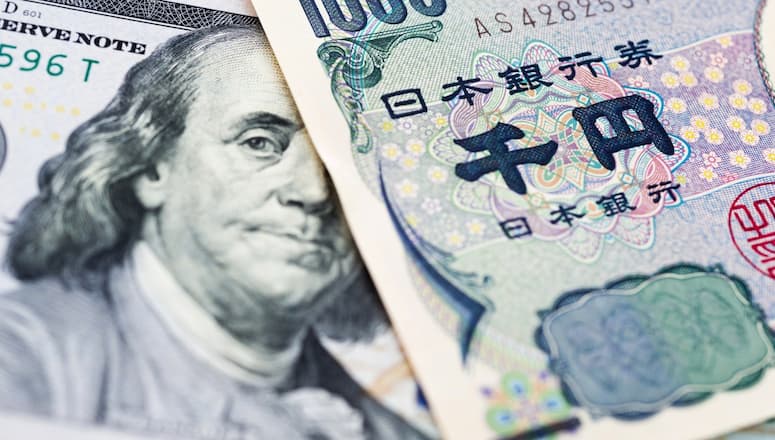
One yuan was worth about 13.8 cents, down 15% from its March high. As you can see below, the FEDs strategy has reinforced strength in the dollar, a currency that has been rising to records highs, is now contributing to economic pains in various jurisdictions around the world making more expensive for countries such as China, Japan and UK to name a few, to spend more on importing and making their debt even harder to manage, as they also try to keep on top of inflation by raising interest rates which in turn puts off investors who are looking for value in the market; followed by a run on certain currencies as seen with the GBP to bring it to parity (well almost) with the USD. The Dollar Against the World Currencies (As of 16:40 AEST 29/09/2022) There have been ample opportunities to get involved in the FX markets of late, if it’s not buying the dollar, it is to sell other currencies against it, but tread carefully markets are volatile and a sense of trading responsibly must be heeded.
If you would like to study the trends and take advantages of entry opportunities, you can do so by opening an MetaTrader trading CFD account with GO Markets here or find our contact details in the footer below. Sources: fortune.com, tradingeconomics.com


Natural Gas prices have had a volatile year to say the least. After finding multi decade highs on the back of geo-political volatility and record high inflation levels the price has seen an aggressive retracement. With the overall commodities market suffering a big drop as recessionary pressures have taken over and a resilient USD, Natural gas has seen a 30 per cent drop from its peak.
News about leaks in the Nord Stream 1 Pipeline and Russia's control over much of the rest of Europe's supply has seen an increase of volatility and with Europe entering winter soon and the surety of supply still on a knifes edge, the market remains volatile. Looking at the recent price action of Natural Gas, the long-term chart shows that the current price is sitting on a strong area of support at 6 USD. Not only is the price sitting on a strong area of support, the area also doubles as the 200-day average.
The weekly candle is a Doji showing indecision as buyers and sellers look to find the equilibrium price. By comparing both the RSI from the weekly and daily charts its can be observed that there is interesting divergence of patterns. On the weekly timeframe, the RSI is consolidating into a symmetrical triangle whilst the daily RSI shows a bounce off the oversold zone.
This may provide a clue as to which direction the price may go next. If the price continues to bounce off the oversold level, it may indicate a longer-term break on the weekly chart. This bounce would provide an obvious target for a reversal to the long side to the top of the range at 10 USD.
With general market volatility still quite high and commodities seeing aggressive moves, the next 6-12 months may provide some interesting trading opportunities for natural gas in both directions.


The AUD has fallen to lows not since the beginning of the Covid 19 pandemic and does not look like stopping anytime soon. With global commodity prices coming down and fears of a recession causing panic sell offs the AUD has been victim to a two-fold attack. The general recession fears push growth assets including the Australian dollar downward as investors look to put their money into safer assets.
In addition, as the USD has increased commodity prices have come down. Going forward, with presumably with recessionary fears only set to get worse globally and inflation in Europe and the UK potentially reaching 20% central banks have had no choice but to be aggressive with their monetary policy. The slowing growth has been a cause for concern as growth assets alongside the AUD have sold off.
Therefore, until there is really a peak in inflation or signs from the Federal Reserve that it intends to back off its hawkish stance, the AUD may very well continue to dive. Technical Analysis On the weekly chart the price currently in a nosedive with no obvious support in sight. The closest support in still $0.04 away at $0.60 which were the GFC lows.
If that level goes, then the next target is $0.55 which was the price during the initial stages of the Pandemic. Just as concerning is the fact that the 50-week moving average is almost ready to cross below the 200 week moving average. This is a lagging indicator that shows that the pair is very much being controlled by the sellers.
In addition, the RSI also still has room to drop further down to reach the level of the Covid 19 levels. The daily price chart confirms the analysis above and if anything shows a more systematic down trend. With both 50 day and 200 day moving averages trending down it does not bode well for a reversal any time soon.IN addition, the price has not been able to breakthrough both averages at for a significant period since June 2021.
Whilst the market can turn quickly, there is still s much fear and panic around that it is hard to see the AUD turning in the short term.


Following the previous Bitcoin analysis ( https://www.gomarkets.com/au/articles/economic-updates/bitcoin-usd-technical-analysis/ ), bitcoin continues to break below pattern after pattern, recently breaking out and re-testing a descending flag pattern on a 4h time frame as seen below: With the next major support sitting around $17,619, it won’t be a surprise if bitcoin comes down to that area. Looking at the correlation between Bitcoin and Ethereum, the last 7 days of price action shows a correlation of.89, which is a positive value that indicates a positive correlation between the two. A positive correlation means that the two moves very similar to one another. [caption id="attachment_273298" align="alignnone" width="602"] (https://cryptowat.ch/correlations)[/caption] [caption id="attachment_273299" align="alignnone" width="527"] (https://cryptowat.ch/correlations)[/caption] For ETHUSD (Ethereum), making similar patterns to BTCUSD, has also recently broken out of a descending flag pattern, signalling a probable continuation of the 4h downtrend, there is a high probability of ETHUSD reaching the next major support around $1012.


The USDJPY has been one of the strongest performing currency pairs since the beginning of the year. With geopolitical volatility and record high inflation rates impacting the global economy, the strength of the USD has just continued to be on show. On the contrary, the JPY has been pillaged from pillar to post as the Bank of Japan has refused to change form its dovish stance and remain one of the few countries committed to holding interest rates low in the medium term.
The different responses The US Federal Reserve has become extremely hawkish with its monetary policy, after describing inflation as transitory only last year. After recording extremely hot CPI and Core CP figures for the last month as the yield on US government treasuries has increased and trader price in more interest rate hikes. Conversely the BOJ has continued to keep a 0.25% cap on its 10-year government bonds.
On the other hand, a weak JPY makes the cost of importing energy and food more expensive in Japan. This is especially problematic as the global energy crunch and inflation have sent the price of these goods and commodities sky rocketing. The BOJ has also continued to buy up government debt stimulating the economy which has further weakened the currency.
However, unlike, much of the rest of the world, Japan’s inflation level is still relatively low. These actions of both banks and the current economic climate has led to a situation where the USDJPY is currently at 30-year highs and only looking to go higher. The price has been going up aggressively since 2021 has been an aggressive upward trend.
Since March 2022 the price has sped up and broken through decade high levels. The BOJ has so far been unwilling to change, at least until April 2023 meaning there is little to stop the JPY continuing to fall. On the other side, with the Federal Reserve set to continue raising rates there is nothing to stop the USD from continuing to climb.
Technical Analysis In recent days the price has begun to consolidate into a flag or pennant pattern. As it can be seen on the chart, the price has reduced its range and volume as it has paused amid its push upward. A pattern like this is not unexpected and is standard of a strong upward trend.
In addition, with important economic events to come like the FOMC meeting and the shift in federal funds rate, the USD may increase its strength if the rates incur an unexpectedly increase in rates. The next target if the price does break out of the triangle is 147 and then 160. Various economic events can still play a role in either pushing the price up or down.


AutoZone Inc. (AZO) reported its fourth quarter financial results for the period ending August 27, 2022 on Monday. The largest US retailer of aftermarket automotive parts reported revenue of $5.348 billion (up by 8.9% from the same period last year) vs. $5.164 billion expected. The company reported earnings per share of $40.51 for the quarter vs. $38.51 earnings per share expected. ''Our results are a testament to our AutoZoners’ ongoing commitment to delivering exceptional customer service every day.
Our retail business performed well this quarter ending with positive same store sales on top of last year’s strong performance. And, our commercial business growth continued to be exceptionally strong at 22%. The investments we have made in both inventory availability and technology are enhancing our competitive positioning.
We are optimistic about our growth prospects heading into our new fiscal year,'' Bill Rhodes, Chairman, President and CEO of AutoZone commented on the results. During the quarter, AutoZone opened 118 new stores and closed one in the United States. As of August 27, 2022, the company had 6,943 stores within the United States (6,168), Mexico (703) and Brazil (72).
AutoZone Inc. (AZO) chart Shares of AutoZone were down by around 2% on Monday, trading at $2100.66 a share. Stock performance 1 month: -6.28% 3 months: +8.69% Year-to-date: +3.30% 1 year: +36.62% AutoZone price targets UBS: $2260 Wells Fargo: $2450 Raymond James: $2350 Goldman Sachs: $2296 Morgan Stanley: $2420 Citigroup: $2250 JP Morgan: $2200 AutoZone is the 364 th largest company in the world with a market cap of $42.20 billion. You can trade AutoZone Inc. (AZO) and many other stocks from the NYSE, NASDAQ, HKEX and the ASX with GO Markets as a Share CFD.
Sources: AutoZone Inc., TradingView, MetaTrader 5, Benzinga, CompaniesMarketCap