Những con số ấn tượng trên tiêu đề là chưa đủ: Phố Wall muốn bằng chứng cho thấy khoản đầu tư khổng lồ vào AI thực sự mang lại lợi nhuận.
Khi chỉ số S&P 500 bước vào mùa báo cáo kết quả kinh doanh quý 3 trong bối cảnh kết quả kinh doanh của các doanh nghiệp gần đây tăng trưởng đanh thép, chi tiêu cho hạ tầng trí tuệ nhân tạo (AI) và động lượng tập trung vào nhóm công nghệ vốn hóa siêu lớn, các thị trường đang quan sát xa hơn chỉ số lợi nhuận trên mỗi cổ phiếu (EPS) tiêu đề. Các tín hiệu then chốt bao gồm định hướng tương lai, biên lợi nhuận, kế hoạch chi tiêu vốn (CapEx) và hành động giá sau khi công bố xuyên suốt mùa báo cáo kết quả kinh doanh Mỹ.
Bám sát các công ty và chủ đề định hình mùa báo cáo kết quả kinh doanh Mỹ.
Sử dụng hướng dẫn này để theo dõi các chủ đề cốt lõi, các doanh nghiệp tiêu điểm và tín hiệu liên thị trường định hình chu kỳ báo cáo hằng quý.
Bắt đầu tại đây, lựa chọn góc nhìn báo cáo của bạn
Báo cáo kết quả kinh doanh có thể được đọc vị qua nhiều góc nhìn khác nhau. Bốn chủ đề dưới đây cung cấp một khung tham chiếu để theo dõi mùa báo cáo.
Công nghệ
Theo dõi chip AI, doanh thu điện toán đám mây, CapEx và định hướng từ các công ty bán dẫn và hạ tầng lớn.
Dịch chuyển vĩ mô
Theo dõi phí ngân hàng đầu tư, dự phòng tín dụng tiêu dùng, thu nhập lãi thuần và độ nhạy cảm với chính sách của Cục Dự trữ Liên bang Mỹ.
Góc nhìn biến động
Theo dõi biến động ngoài giờ, bất ngờ trong định hướng, sự xoay trục ngành và liệu khoảng trống giá (gap) báo cáo có kéo dài đến giờ mở cửa hay không.
Tác động lan tỏa đến ASX
Theo dõi cách kết quả kinh doanh Mỹ lan tỏa qua Nasdaq 100, S&P 500, Đô la Mỹ, lợi suất trái phiếu và phiên giao dịch tiếp theo của thị trường Úc.
Bức tranh toàn cảnh: Tăng trưởng lợi nhuận S&P 500
Kỳ vọng lợi nhuận tiếp tục ở mức cao khi bước vào mùa báo cáo kết quả kinh doanh quý 3.
Theo báo cáo Earnings Insight ngày 18 tháng 9 của FactSet, chỉ số S&P 500 dự kiến sẽ đạt mức tăng trưởng lợi nhuận 28,9% so với cùng kỳ năm ngoái (YoY) trong quý 3 năm 2026. Nếu đạt được, đây sẽ là quý thứ 8 liên tiếp ghi nhận mức tăng trưởng lợi nhuận hai chữ số.
Điều đó buộc các nhà đầu tư phải cân nhắc kết quả tiêu đề so chiếu với những kỳ vọng vốn đã được phản ánh vào mức định giá cổ phiếu. Do đó, định hướng kinh doanh, biên lợi nhuận và triển vọng đầu tư tương lai có thể mang ý nghĩa quan trọng tương đương bản thân kết quả của quý được báo cáo.
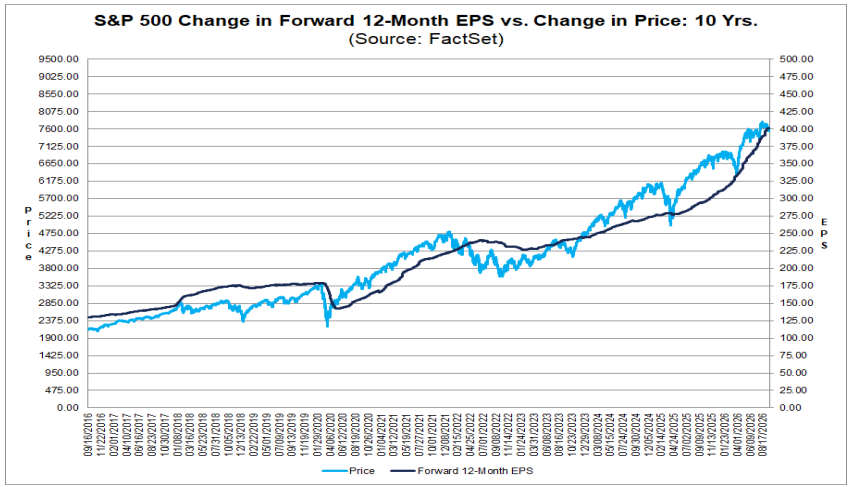
Nguồn: FactSet Earnings Insight
Miễn trừ trách nhiệm & Nguồn dữ liệu: Ngày báo cáo, thời gian phát hành và dữ liệu tài chính có thể thay đổi đột ngột mà không cần thông báo trước. Nhà giao dịch nên luôn xác minh lịch trình trực tiếp trên nền tảng trước khi giao dịch. GO Markets đã áp dụng mọi biện pháp phòng ngừa để đảm bảo tính chính xác của thông tin. Các nguồn dữ liệu sơ cấp bao gồm Bloomberg, TradingView, Earnings Whispers, FactSet và công bố chính thức từ doanh nghiệp.
- Lợi nhuận có đang tăng trưởng đủ nhanh để nâng đỡ mức định giá cổ phiếu hiện tại hay không?
- Chi tiêu vốn cho AI có đang chuyển hóa thành doanh thu điện toán đám mây và biên lợi nhuận có thể đo lường được hay không?
- Các ngân hàng lớn đang phát đi tín hiệu gì về điều kiện tín dụng doanh nghiệp và tiêu dùng?
- Người tiêu dùng Mỹ đang phản ứng thế nào với sự thay đổi kỳ vọng lãi suất?
- Định hướng từ ban điều hành gợi mở điều gì về doanh thu và biên lợi nhuận trong các quý tới?
Một kết quả tiêu đề đanh thép đi kèm định hướng thận trọng vẫn có thể dẫn đến biến động sụt giảm, trong khi một kết quả tiêu đề mềm mỏng hơn nhưng có thông điệp tương lai mạnh mẽ hơn có thể thu hút phản ứng hoàn toàn khác từ thị trường.
Đó là lý do tại sao mùa báo cáo kết quả kinh doanh không chỉ là những con số được công bố, phản ứng của thị trường đối với những diễn biến tiếp theo cũng giữ vai trò quan trọng không kém.
Các doanh nghiệp tiêu điểm
Sự chú ý tập trung vào các công ty có khả năng chi phối kỳ vọng trên khắp mảng tài chính toàn cầu, phần cứng AI, hạ tầng đám mây và tâm lý tiêu dùng.
Danh mục theo dõi dưới đây được tổ chức xung quanh ba chủ đề rộng, cùng với một tiêu điểm biến động độc lập.
Các tín hiệu từ Phố Wall và ngành ngân hàng
Các ngân hàng lớn thuộc nhóm những doanh nghiệp đầu tiên báo cáo hằng quý. Kết quả của họ cung cấp thông tin về điều kiện tín dụng, chi tiêu tiêu dùng, hoạt động mua bán & sáp nhập (M&A) và hoạt động giao dịch. Khai phá Danh mục theo dõi cổ phiếu Ngân hàng Mỹ của chúng tôi để biết thêm chi tiết.
Định hướng thu nhập lãi thuần, dự phòng tín dụng tiêu dùng, chi tiêu thẻ và phí ngân hàng đầu tư.
Hoạt động tư vấn, giao dịch thu nhập cố định, tiền tệ và hàng hóa (FICC), giao dịch cổ phiếu và biên lợi nhuận quản lý tài sản.
Cho vay tiêu dùng, độ nhạy giá huy động tiền gửi với chính sách lãi suất Fed, ngân hàng đầu tư và nhận định bán hàng & giao dịch.
Miễn trừ trách nhiệm & Nguồn dữ liệu: Ngày báo cáo, thời gian phát hành và dữ liệu tài chính có thể thay đổi đột ngột mà không cần thông báo trước. Nhà giao dịch nên luôn xác minh lịch trình trực tiếp trên nền tảng trước khi giao dịch. GO Markets đã áp dụng mọi biện pháp phòng ngừa để đảm bảo tính chính xác của thông tin. Các nguồn dữ liệu sơ cấp bao gồm Bloomberg, TradingView, Earnings Whispers, FactSet và công bố chính thức từ doanh nghiệp.
Câu hỏi mấu chốt: Các ngân hàng lớn đang phát đi tín hiệu gì về sức chống chịu tài chính và rủi ro tín dụng?
Bán dẫn và động cơ hạ tầng AI
Các nhà cung cấp bán dẫn và chip tùy chỉnh (custom silicon) án ngữ ngay trung tâm chuỗi chu kỳ đầu tư AI. Kết quả của họ cho thấy liệu nhu cầu đối với bộ xử lý đồ họa (GPU), thiết bị mạng và hạ tầng AI doanh nghiệp có tiếp tục mở rộng hay không. Đọc phân tích của chúng tôi về nhóm cổ phiếu bán dẫn hàng đầu.
Sản lượng xuất hàng Blackwell, cầu Trung tâm Dữ liệu, biên lợi nhuận gộp và cầu AI từ khu vực công. Xem phân tích Nvidia đối chiếu Google TPU.
Bộ tăng tốc AI tùy chỉnh, tăng trưởng thiết bị mạng Ethernet và biên lợi nhuận VMware.
Tăng trưởng thương mại Mỹ, tỷ lệ chuyển đổi Nền tảng Trí tuệ nhân tạo (AIP) và năng lực thực thi hợp đồng chính phủ tồn đọng.
Miễn trừ trách nhiệm & Nguồn dữ liệu: Ngày báo cáo, thời gian phát hành và dữ liệu tài chính có thể thay đổi đột ngột mà không cần thông báo trước. Nhà giao dịch nên luôn xác minh lịch trình trực tiếp trên nền tảng trước khi giao dịch. GO Markets đã áp dụng mọi biện pháp phòng ngừa để đảm bảo tính chính xác của thông tin. Các nguồn dữ liệu sơ cấp bao gồm Bloomberg, TradingView, Earnings Whispers, FactSet và công bố chính thức từ doanh nghiệp.
Câu hỏi mấu chốt: Nhu cầu hạ tầng AI có tiếp tục mở rộng không, và có những bằng chứng nào xuất hiện xung quanh hiệu quả đầu tư của doanh nghiệp?
Các hyperscaler Big Tech và hiệu quả đầu tư AI
Kết quả từ các hyperscaler mang lại một góc nhìn khác về chu kỳ đầu tư AI. Báo cáo hằng quý của họ chỉ ra liệu chi tiêu hạ tầng có đang chuyển hóa thành doanh thu đám mây, phần mềm, tìm kiếm và quảng cáo hay không. Để biết thêm bối cảnh, xem động lực chi tiêu AI so với doanh thu thực tế và xem trước kết quả Big Tech.
Tăng trưởng Azure, mức độ ứng dụng Microsoft 365 Copilot, cầu đám mây thương mại và biên lợi nhuận đám mây.
Tăng trưởng quảng cáo, công cụ quảng cáo tối ưu bởi AI, chi tiêu hạ tầng và lỗ hoạt động của Reality Labs.
Tăng trưởng Google Cloud, quảng cáo Tìm kiếm, sự cạnh tranh AI tạo sinh và mức độ ứng dụng Gemini.
Miễn trừ trách nhiệm & Nguồn dữ liệu: Ngày báo cáo, thời gian phát hành và dữ liệu tài chính có thể thay đổi đột ngột mà không cần thông báo trước. Nhà giao dịch nên luôn xác minh lịch trình trực tiếp trên nền tảng trước khi giao dịch. GO Markets đã áp dụng mọi biện pháp phòng ngừa để đảm bảo tính chính xác của thông tin. Các nguồn dữ liệu sơ cấp bao gồm Bloomberg, TradingView, Earnings Whispers, FactSet và công bố chính thức từ doanh nghiệp.
Câu hỏi mấu chốt: Tăng trưởng mảng đám mây và quảng cáo có thể giữ nhịp với mức chi tiêu hạ tầng tăng cao hay không?
Tiêu điểm biến động tiêu dùng và xe điện độc lập
Tesla hiện diện trên nhiều chủ đề thị trường, bao gồm nhu cầu tiêu dùng không thiết yếu, biên lợi nhuận xe điện, lưu trữ năng lượng và đầu tư lái xe tự động. Xem Cẩm nang Tiêu dùng K-Shaped & Tesla của chúng tôi.
Biên lợi nhuận gộp mảng ô tô không bao gồm tín dụng phát thải, sản lượng bàn giao xe, triển khai lưu trữ năng lượng và đầu tư công nghệ tự lái. Xem phân tích về Elon Musk và biến động cổ phiếu.
Miễn trừ trách nhiệm & Nguồn dữ liệu: Ngày báo cáo, thời gian phát hành và dữ liệu tài chính có thể thay đổi đột ngột mà không cần thông báo trước. Nhà giao dịch nên luôn xác minh lịch trình trực tiếp trên nền tảng trước khi giao dịch. GO Markets đã áp dụng mọi biện pháp phòng ngừa để đảm bảo tính chính xác của thông tin. Các nguồn dữ liệu sơ cấp bao gồm Bloomberg, TradingView, Earnings Whispers, FactSet và công bố chính thức từ doanh nghiệp.
Tác động của báo cáo kết quả kinh doanh đến các thị trường toàn cầu
Tâm lý tăng trưởng và công nghệ
Kết quả từ Big Tech và nhóm bán dẫn có thể chi phối chỉ số Nasdaq 100 và tâm lý ngành công nghệ diện rộng. Định hướng kinh doanh trở nên đặc biệt quan trọng khi nó làm thay đổi kỳ vọng về nhu cầu đám mây, đơn đặt hàng chip tùy chỉnh và đầu tư trung tâm dữ liệu.
Độ rộng thị trường và sự dẫn dắt cổ phiếu
Báo cáo kết quả kinh doanh giúp chỉ ra liệu sự tham gia của thị trường có đang mở rộng ra ngoài các công ty công nghệ lớn nhất hay không. Chỉ số S&P 500 cung cấp góc nhìn toàn cảnh thị trường, trong khi Dow Jones Industrial Average bổ sung diện phơi nhiễm với mảng tài chính, công nghiệp và các ngành truyền thống khác.
Tác động lan tỏa liên tài sản
Các bất ngờ báo cáo lớn cũng có thể tác động đến thị trường ngoại hối, thu nhập cố định và hàng hóa thông qua những thay đổi về khẩu vị rủi ro và kỳ vọng lãi suất. Đô la Mỹ và lợi suất trái phiếu Kho bạc có thể phản ứng với sự dịch chuyển triển vọng vĩ mô, trong khi vàng và dầu thô tiếp tục chịu ảnh hưởng bởi các động lực vĩ mô cốt lõi riêng.
Tác động lan tỏa đến giờ mở cửa ASX
Đối với thị trường Úc, kết quả kinh doanh Mỹ qua đêm có thể định hình tâm lý đầu phiên trước giờ mở cửa 10:00 sáng AEDT. Các cổ phiếu công nghệ, tài chính và nguyên vật liệu niêm yết trên sàn ASX có thể phản ứng với các chuyển động diện rộng của Phố Wall xuyên suốt phiên giao dịch Châu Á - Thái Bình Dương.
Thông điệp cốt lõi
Các bất ngờ về lợi nhuận tiêu đề có thể tạo ra biến động tức thì, nhưng các thị trường cũng đồng thời cân nhắc triển vọng doanh nghiệp dài hạn hơn.
Sự chú ý nhiều khả năng sẽ tiếp tục tập trung vào hiệu quả đầu tư AI, biên lợi nhuận của Big Tech, nhận định tín dụng ngân hàng và liệu định hướng tương lai có nâng đỡ các kỳ vọng vốn đã được phản ánh vào mức định giá cổ phiếu hay không.

The information provided is of general nature only and does not take into account your personal objectives, financial situations or needs. Before acting on any information provided, you should consider whether the information is suitable for you and your personal circumstances and if necessary, seek appropriate professional advice. All opinions, conclusions, forecasts or recommendations are reasonably held at the time of compilation but are subject to change without notice. Past performance is not an indication of future performance. Go Markets Pty Ltd, ABN 85 081 864 039, AFSL 254963 is a CFD issuer, and trading carries significant risks and is not suitable for everyone. You do not own or have any interest in the rights to the underlying assets. You should consider the appropriateness by reviewing our TMD, FSG, PDS and other CFD legal documents to ensure you understand the risks before you invest in CFDs. These documents are available here.
Any references to Australian or international shares, sectors, indices, ETFs, crypto-related stocks or other instruments are provided for market commentary and watchlist purposes only and do not constitute a recommendation, offer or solicitation to buy, sell or hold any financial product or adopt any investment strategy. International markets may involve additional risks, including currency fluctuations, regulatory differences, market structure differences, reduced liquidity and higher volatility. Company-specific, sector-specific and macroeconomic risks may also affect performance.
Commentary on geopolitical developments, economic data, central bank decisions, earnings, policy changes and other global or financial market events is based on information available at the time of publication and may change without notice. Such events can lead to sudden market moves, price gaps, reduced liquidity, wider spreads and increased volatility, particularly in leveraged products such as CFDs. Forward-looking statements, expectations and scenario analysis are inherently uncertain and should not be relied on as guarantees of future market behaviour or outcomes.