Notícias de mercado & insights
Mantenha-se à frente dos mercados com insights de especialistas, notícias e análise técnica para orientar suas decisões de negociação.

O anúncio do cessar-fogo de 8 de abril e as discussões paralelas em torno de uma trégua de 45 dias não resolveram a interrupção do Estreito de Ormuz. Por enquanto, eles limitaram o pior cenário possível, mas o tráfego de petroleiros permanece em uma fração dos níveis normais e a demanda do Irã por taxas de trânsito sinaliza uma mudança estrutural, não temporária.
O que começou como um conflito regional se tornou um choque energético global, e a questão para os mercados não é mais se Ormuz foi interrompida, mas como a interrupção muda permanentemente o piso de preços do petróleo.
Principais conclusões
- Cerca de 20 milhões de barris por dia (bpd) de petróleo e produtos petrolíferos normalmente passam pelo Estreito de Ormuz, entre o Irã e Omã, o equivalente a cerca de um quinto do consumo global de petróleo e cerca de 30% do comércio marítimo global de petróleo.
- Isso é um choque de fluxo, não um problema de estoque. Os mercados de petróleo dependem do rendimento contínuo, não do armazenamento estático.
- Se a interrupção persistir além de algumas semanas, o Brent poderá passar de um pico de curto prazo para um choque de preços mais amplo, com risco de estagflação.
- O tráfego de petroleiros pelo estreito caiu de cerca de 135 navios por dia para menos de 15 no pico da interrupção, uma redução de aproximadamente 85%, com mais de 150 embarcações ancoradas, desviadas ou atrasadas.
- Um cessar-fogo de duas semanas foi anunciado em 8 de abril, com negociações de trégua de 45 dias em andamento. O Irã sinalizou separadamente uma demanda por taxas de trânsito em embarcações que usam o estreito, o que, se formalizado, representaria um piso geopolítico permanente nos custos de energia.
- Os mercados começaram a se afastar do crescimento e da exposição à tecnologia para nomes de energia e defesa, refletindo a visão de que o petróleo elevado está se tornando um custo estrutural em vez de um prêmio de risco temporário.
O ponto de estrangulamento de petróleo mais crítico do mundo
O Estreito de Ormuz movimenta cerca de 20 milhões de barris por dia de petróleo e produtos petrolíferos, o equivalente a cerca de 20% do consumo global de petróleo e cerca de 30% do comércio marítimo global de petróleo. Com a demanda global de petróleo em torno de 104 milhões de bpd e a capacidade não utilizada limitada, o mercado já estava fortemente equilibrado antes da última escalada.
O estreito também é um corredor crítico para o gás natural liquefeito. Cerca de 290 milhões de metros cúbicos de GNL transitaram pela rota todos os dias, em média, em 2024, representando cerca de 20% do comércio global de GNL, com os mercados asiáticos como principal destino.
A Agência Internacional de Energia (IEA) descreveu Ormuz como o ponto de estrangulamento do trânsito de petróleo mais importante do mundo, observando que mesmo interrupções parciais podem desencadear grandes movimentos de preços. O petróleo Brent subiu acima de USD 100 o barril, refletindo tanto a rigidez física quanto o aumento do prêmio de risco geopolítico.

Tanques ociosos enquanto os fluxos diminuem
Os dados de frete e seguro agora apontam para problemas em tempo real. Relata-se que mais de 85 grandes transportadores de petróleo bruto estão presos no Golfo Pérsico, enquanto mais de 150 navios foram ancorados, desviados ou atrasados à medida que os operadores reavaliam a segurança e a cobertura do seguro. Isso deixaria cerca de 120 milhões a 150 milhões de barris de petróleo bruto parados no mar.
Esses volumes representam apenas seis a sete dias de produção normal de Ormuz, ou pouco mais de um dia de consumo global de petróleo.
Os dados atualizados de transporte e seguro agora confirmam que mais de 150 embarcações foram ancoradas, desviadas ou atrasadas, acima das 85 relatadas inicialmente. Os 1,3 dias de cobertura do consumo global de petróleo bruto ocioso continuam sendo a restrição vinculativa: isso é um choque de fluxo, não um problema de armazenamento, e o cessar-fogo ainda não se traduziu em uma produtividade significativamente restaurada.
Um mercado baseado no fluxo, não no armazenamento
Os mercados de petróleo funcionam em movimento contínuo. Refinarias, plantas petroquímicas e cadeias de suprimentos globais são calibradas para entregas estáveis ao longo de rotas marítimas previsíveis. Quando os fluxos passam por um ponto de estrangulamento que carrega cerca de um quinto do consumo global de petróleo e cerca de 30% do comércio marítimo global de petróleo são interrompidos, o sistema pode passar do equilíbrio ao déficit em poucos dias.
A capacidade de produção não utilizada, amplamente concentrada na OPEP, é estimada em apenas 3 milhões a 5 milhões de bpd. Isso fica bem aquém dos volumes em risco se os fluxos de Ormuz forem severamente interrompidos.
Riscos de inflação e repercussões macro
O impacto inflacionário de um choque de petróleo normalmente chega em ondas. Preços mais altos de combustível e energia podem elevar a inflação global rapidamente, à medida que os custos de gasolina, diesel e energia aumentam.
Com o tempo, custos mais altos de energia podem passar por frete, alimentos, manufatura e serviços. Se a interrupção persistir, a combinação de inflação elevada e crescimento mais lento pode aumentar o risco de um ambiente estagflacionário e deixar os bancos centrais enfrentando uma difícil troca.
Sem compensação fácil, um sistema com pouca folga
O que torna o episódio atual particularmente agudo é a falta de folga no sistema global.
A oferta e a demanda globais de cerca de 103 milhões a 104 milhões de bpd deixam pouca reserva quando um ponto de estrangulamento que movimenta quase 20 milhões de bpd, ou cerca de um quinto do consumo global de petróleo, é comprometido. A capacidade não utilizada estimada de 3 milhões a 5 milhões de bpd, principalmente dentro da OPEP, cobriria apenas uma fração dos volumes em risco.
Rotas alternativas, incluindo oleodutos que contornam Ormuz e reencaminhamentos marítimos, só podem compensar parcialmente os fluxos perdidos e, geralmente, com custos mais altos e prazos de entrega mais longos.
Conclusão
Até que o trânsito pelo Estreito de Ormuz seja restaurado e visto como confiavelmente seguro, é provável que os fluxos globais de petróleo permaneçam prejudicados e os prêmios de risco elevados. Para investidores, formuladores de políticas e tomadores de decisão corporativos, a questão central é se o petróleo pode se mover para onde precisa ir, todos os dias, sem interrupção.


Global indices ended the week on a high as the US indices all recovered some of their recent sell offs. The Nasdaq was the strongest performer rising 2.05% to close the week. For the week, the index was able to recover some of its recent selling, finishing up 8.18%.
It was also the Technology sector's best week since November 2020. However, it is still down 14.34% from its all-time high. The S&P 500 was up 1.17% and the Dow Jones 0.80% as Wall Street consolidated its gains.
In Europe, the markets were a little weaker, with the DAX finishing flat up 0.17% and the FTSE slightly better up 0.26%. Commodity prices continued to taper as the economic ramifications of the Russian and Ukraine conflict remain steady. Gold has settled at near support at 1900 USD per ounce and the price closed the week at 1920 USD as it holds that level.
Natural Gas continues to hold near its highs finishing the week down 0.54% as it remains in a tight range. Brent Crude Oil followed a similar pattern ending the week just below $108 at 107.96 after bouncing off the low at $97. The price spiked on the back of an escalation of hostilities in Yemen, as Houthi Rebels unleashed an assault on Saudi Arabia’s critical energy facilities.
Previously, a sophisticated strike in 2019 on Aramarco (The world’s largest oil company) facilities took out half of Saudi Arabia’s oil production. The UAE and Saudi Arabia have also so far resisted calls to increase oil production to offset the deficit from the embargo on Russia. FOREX The JPY was pummelled against other currencies as it hit its lowest levels in 4 years against the AUD dropping 3.26% for the week.
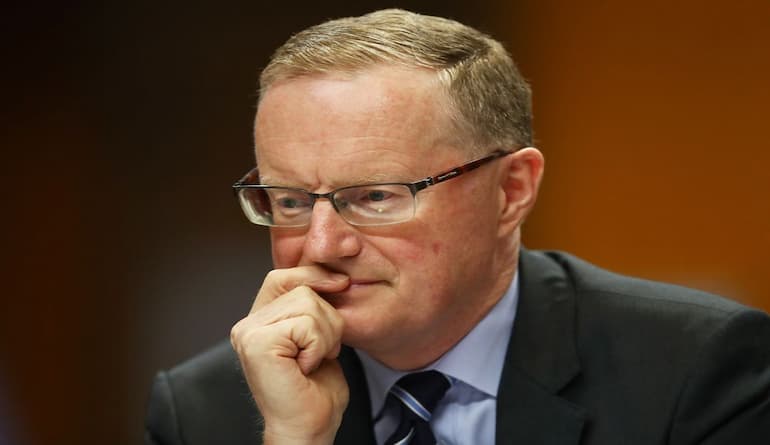
Against the USD, the JPY saw its lowest value in 6 years dropping 1.62%. The AUD has continued to be a great performer, with the AUD/USD rising 0.51% as it holds 0.7408 cents. The market will be looking forward to Reserve Bank of Australia Governor Phillip Lowe’s speech on Tuesday for an indication of the likely monetary policy for April.
The AUD has performed well during recent volatility relative to other global currencies due to high commodity prices which have supported the AUD. The EUR/USD and GBP/USD both have been following a steady pattern as Ukraine and Russian conflict has settled. Both pairs remain below their recent resistance.

Coal and Gas prices have surged and joined gold and oil as demand surges due to the supply shortages stemming from the Russia and Ukraine conflict. The global indices were up overall as the market still remains unsure of how to react to the unfolding crisis. In Europe, the FTSE provided strength with a 1.36% gain and the DAX provided a small bounce rising 0.69%.
In America the Dow Jones and the NASDAQ both saw decent rises, moving 1.79% and 1.62% respectively. The US markets responded positively after Jerome Powell testified that the Federal Reserve still intends to increase interest rates later this month by 25 basis points. Mr.
Powell did, however, allow for some flexibility in the face of the increased conflict. The biggest mover was coal which shot up almost 33% to $400 on the back of the energy crisis. It has led to many countries attempting to scavenge for coal reserves.
Germany is poised to create coal power reserves and Italy announced it may reopen some of its previously shut coal plants. The Aussie dollar has benefited from this and other rises in commodity prices with AUDUSD touching on 0.73c overnight. Oil prices reached as high as $114.00 and touched the 8 year high before settling in at $111.
This is after OPEC decided overnight to hold production level at the current level leaving the potential shortfall in demand unaccounted for, claiming that that demand for oil is being driven by geopolitics and not fundamentals. The price of wheat and aluminium also hit 14-year highs overnight and Gold continues to remain steady at $1,927 per ounce. Bitcoin saw a slight slump and is down 1.47% although is still very much moving upward due to the momentum from Russian investors.
The Ruble saw some strength as it saw upward of 5% gains against many other currency pairs. The US dollar continues to be strong on the back of the Federal reserve and from the risk aversion seen in the market at the moment.


Equity markets US stocks jumped overnight to reach record levels as stronger than expected print on retail sales and a sharp improvement in the number of new jobless claims cheered the investors. Source: Yahoo Finance US reporting season kicked off this week with impressive results so far from Finance heavyweights JP Morgan, Goldman, BOA and Citi, all handily beating estimates. The week's economic figures, strong corporate earnings and comments from Fed Chairman Powell regarding the commitment of the central bank's easy money policies have seen US markets make all time highs on an almost daily basis.
European stocks also hit record highs this week with the EUROSTOXX 50 breaking 4000 and having rallied nearly 80% from the pandemic lows in March 2020. Analysts are confident there is further upside in Europe as prices remain low compared to the U.S and vaccination rates climb to catch up to the U.S. “European equities are set to benefit from a sharp acceleration in euro area GDP (gross domestic product) growth over the coming months, but that is due to the boost from reopening and the support from a powerful U.S. recovery, rather than a function of the dispersal of NGEU funds,” two analysts at Bank of America said in a note to clients. World equity indices are mostly up for the week with only Asian indices lagging.
Traders will be watching today's upcoming Chinese figures, including the all-important GDP figure, which is expected to be the highest quarterly economic growth since it began releasing such figures 30 years ago. Source: Bloomberg Forex markets The US dollar weakened dramatically during the week, under performing all major currencies bar the Canadian dollar. Despite a strong week in Oil, current COVID lock down measures in Canada are causing a headwind for the Loonie.
Source: Bloomberg The recent run up in the US dollar index in tandem with rising 10 year bond yields has reversed in April as yields stabilise and are starting to decline. Overnight 10 year Treasury yields dropped to 1.57%, its lowest level in a month. Source: Bloomberg Source: GO MT4 Commodities Gold Spot gold (XAUUSD) rallied this week on the back of a weaker US dollar.
US CPI figures also came in higher than expected this week, giving gold an extra boost as it is seen as a traditional inflation hedge. Source: GO MT4 Oil US crude prices rallied strongly this week on continued expectation of a global economic recovery. Agreed production cuts have also given Oil a boost as OPEC is holding back just over 7 million barrels per day, with Saudi Arabia voluntarily cutting an additional 1 million barrels per day.
From next month OPEC+ will start gradually curbing production cuts. In May OPEC+ will allow an additional 350,000 barrels per day to join the markets. Source: GO MT4 Bitcoin The highly anticipated Coin base (COIN) IPO launched this week, with investors piling into the new stock.
This mainstreaming of cryptocurrencies in general and Bitcoin in particular saw strong buying in Bitcoin pushing it through the 60k resistance level and hitting all time highs just short of $65k USD. Source: GO MT4 Monday, 19 April 2021 Indicative Index Dividends Dividends are in Points ASX200 WS30 US500 US2000 NDX100 CAC40 STOXX50 0 0 0 0.005 0 2.808 1.234 ESP35 ITA40 FTSE100 DAX30 HK50 JP225 INDIA50 0 79.017 0 0 0 0 0

The market closed the week down overall as volatility continues due to the Russia and Ukraine conflict. The Dow Jones dipped 0.5%, the S&P500 fell 0.8%, and the NASDAQ performed the worst, declining 1.7%, despite generally positive sentiment from the USA concerning the employment figures released on Friday. Employers added 678,000 jobs to the workforce in February, and unemployment was lowered to 3.8% beating most analysts' expectations.
CPI figures will be on the agenda next week as inflation continues to garner attention. European stocks were hit the hardest, with the DAX losing more than 10% over the week and 4.41% on Friday, as it continues to be hit hard by the conflict. The FTSE also had a tough week and closed Friday down 3.48%.
Commodities had a belter week and got close to their largest rise in prices since 1960. European natural gas more than doubled in price, wheat soared 40%, and oil increased 20%. These increases may have an impact on the energy and commodity sector in the Australian market going forward.
The surge in energy prices has occurred despite economic sanctions that have not targeted Russia’s energy exports. Gold finished the week exceptionally strong, closing at the upper end of the weekly range towards $1,970. The price continues to provide a haven for investors as the volatility remains.
Oil followed its strong closing towards the high of the week at $117.96. Cryptocurrency Bitcoin had shown strength earlier in the week, but it could not hold its highs around $45,000 BTC/USD. It closed the week below $40,000.
Ethereum followed a similar pattern falling to $2,593. FOREX The EUR/USD had a massive drop falling -1.23%. The Euro struggled against all of the currency pairs, recording big drops for the week.
The GBP also was a weak performer for the week. Due to their geographical exposure, the EUR and GBP have been the most sensitive to news from the conflict. The AUD and NZD performed well for the week and have seen a nice move into recent resistance.


Adobe Inc. (ADBE) announced its latest earnings results after the closing bell on Thursday for its second quarter fiscal year 2022 ended June 3. The American software company reported revenue of $4.386 billion for the quarter (up 14% year-over-year), beating analyst forecast of $4.345 billion. Earnings per share also reported above analyst expectations at $3.35 per share vs. $3.31 per share estimate. ''Adobe achieved record Q2 revenue with strong demand across Creative Cloud, Document Cloud and Experience Cloud,'' Shantanu Narayen, chairman and CEO of Adobe said following the latest financial results. ''We are winning in our established businesses and seeing significant momentum in new categories from content authoring for a broad base of creators to PDF functionality on the web to the leading real-time customer data platform for global enterprises,'' Narayen concluded. ''We delivered another quarter of strong financial results, with greater than $2 billion in operating cash flows demonstrating the strength of Adobe’s growing revenue streams and financial discipline,'' said Dan Durn, executive vice president and CFO of Adobe. ''Our operating model continues to fuel consistent growth, enabling the company to invest in category-leading cloud solutions and emerging innovations that are gaining traction in the marketplace,'' Durn added.
Adobe Inc. (ADBE) chart Share price of Adobe was down by around 2% at the market open on Friday, trading at $357.37 per share. Here is how the stock has performed in the past year: 1 Month -10.80% 3 Month -21.47% Year-to-date -37.22% 1 Year -37.06% Adobe price targets UBS $415 Stifel $500 Baird $450 Deutsche Bank $500 Wells Fargo $425 Mizuho $480 Citigroup $380 Adobe is the 59 th largest company in the world with a market cap of $167.63 billion. You can trade Adobe Inc. (ADBE) and many other stocks from the NYSE, NASDAQ, HKEX and the ASX with GO Markets as a Share CFD.
Sources: Adobe Inc., TradingView, MarketWatch, Benzinga, CompaniesMarketCap


Accenture (ACN) reported its latest financial results before the market open in the US on Thursday. The Irish-American professional services company reported revenue of $16.159 billion for the third quarter of fiscal 2022 vs. $16.04 billion expected. Earnings per share missed analyst expectations for the quarter at $2.79 per share vs. $2.86 per share estimate. ''Our very strong financial results for the third quarter reflect continued broad-based demand across markets, services, and industries, and the continued recognition of the outstanding talent of our 710,000 people.
We continue to gain significant market share, and our services have never been more relevant as our clients turn to us as the trusted partner for the solutions they need to accelerate growth and become more resilient and efficient,'' Julie Sweet, CEO of the company said in a press release after the earnings announcement. Accenture (ACN) chart Shares of Accenture were down by around 1% during the trading day on Thursday at $282.45 per share. Here is how the stock has performed in the past year: 1 Month -3.00% 3 Month -13.07% Year-to-date -31.78% 1 Year -3.01% Accenture price targets Deutsche Bank $364 Cowen & Co. $330 Baird $340 Morgan Stanley $390 RBC Capital $435 Goldman Sachs $386 Barclays $455 Accenture is the 52 nd largest company in the world with a market cap of $179.21 billion.
You can trade Accenture (ACN) and many other stocks from the NYSE, NASDAQ, HKEX and the ASX with GO Markets as a Share CFD. Sources: Accenture, TradingView, MarketWatch, Benzinga, CompaniesMarketCap