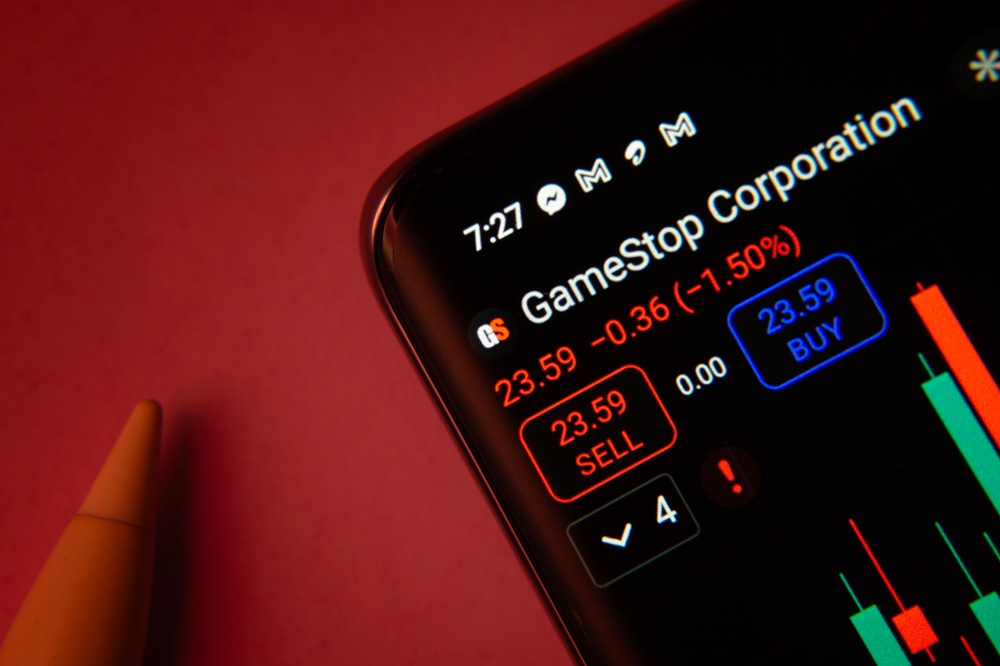
Este es el punto en el que lo 'privado' se vuelve 'público'. Le da al mercado su primera mirada real al interior de empresas como OpenAI, SpaceX y una nueva ola de aspirantes a la ASX.

Una oferta pública inicial (IPO) ocurre cuando una empresa privada ofrece sus acciones al público por primera vez. Antes de una IPO, las acciones suelen estar en manos de fundadores, primeros empleados e inversionistas privados, pero salir a bolsa abre esas acciones a un mercado más amplio.
Para los traders, las IPO pueden ser la primera oportunidad de obtener exposición directa a las acciones de una empresa. Pueden crear un entorno único de volatilidad elevada y mayor interés, pero también conllevan más riesgo porque el historial de precios es limitado y el sentimiento puede cambiar rápidamente.

Recaudación global de IPOs en 2025, un 39% más interanual
Valoración estimada combinada de los principales candidatos a IPO en 2026
Cotizaciones globales en 2025, el repunte más fuerte desde el auge pospandemia

| Empresa | Valoración estimada | Bolsa | Estado |
|---|---|---|---|
Imported item 3 | ~US$350 billion | Nasdaq | Rumoured |
Imported item 4 | ~US$140 billion | NYSE/Nasdaq | Rumoured |
Imported item 5 | ~US$134 billion | Nasdaq | Expected |
Imported item 6 | ~US$7.9 billion | Nasdaq and ASX CDI | Expected |
Imported item 7 | ~A$6 billion | ASX | Expected |
Imported item 8 | ~A$4 billion plus | ASX | Rumoured |
OpenAI Artificial intelligence | ~US$850 billion | Nasdaq | Expected |
SpaceX | ~US$1.5 trillion | Nasdaq | Expected |
Cómo funciona una salida a bolsa
Para el día de cotización, los inversionistas institucionales normalmente ya han evaluado la empresa. Entender el proceso de seis etapas ayuda a los traders a ver qué podría estar ya reflejado en el precio antes de que la acción abra al mercado más amplio.
La empresa selecciona un suscriptor para evaluar sus finanzas, estructura corporativa y posicionamiento de mercado.
Los suscriptores realizan la debida diligencia y presentan documentos de divulgación ante el regulador correspondiente.
Los ejecutivos presentan la empresa a inversionistas institucionales y analistas. Aquí se construye la demanda y se fijan las expectativas de precio, antes de que los traders minoristas vean la acción.
Con base en los comentarios del roadshow, los suscriptores fijan el precio final de la acción y deciden cuántas acciones se emitirán.
Las acciones comienzan a negociarse en la bolsa elegida. Para la mayoría de los traders, esta es la primera oportunidad de operar la acción.
Ya como empresa pública, la compañía debe publicar resultados financieros regularmente y cumplir con los estándares de gobierno corporativo de su bolsa.
Operar IPOs con CFDs
El día de cotización de una IPO suele estar marcado por grandes cambios de sentimiento y un historial de precios limitado. Esa combinación puede hacer que la exposición tradicional de comprar y mantener sea más difícil de gestionar. Los CFDs permiten a los traders tomar una posición en cualquier dirección del movimiento, ajustar el tamaño con precisión y actuar rápido a medida que se desarrolla la historia.
Opera el impulso inicial o la corrección posterior al entusiasmo. Los CFDs te permiten tomar una posición en cualquier dirección desde el día de cotización en adelante.
La volatilidad de las IPO tiende a concentrarse en los primeros días y semanas. Los CFDs son adecuados para estas ventanas más cortas e impulsadas por eventos.
Las órdenes stop loss y limit pueden ayudar a definir tu riesgo antes de entrar, algo importante cuando el descubrimiento de precios aún está en marcha.
Accede a CFDs sobre acciones en los mercados de EE. UU. y Australia, incluidos nombres como Rokt y Firmus Technologies, desde una sola cuenta.



Accede a CFDs sobre acciones en los mercados de EE. UU. y Australia, incluidos nombres como Rokt y Firmus Technologies, desde una sola cuenta.


La frase del "consumidor resiliente" que se recicla en cada reporte de resultados está haciendo un trabajo pesado. Los datos a nivel de índice ayudan a sostenerla: las ventas minoristas generales se mantienen y el gasto parece firme. Si dejas de leer ahí, la historia parece simple.Pero no lo es.
Debajo de la superficie existe una economía de pantalla dividida —la forma en K— donde un sector del consumo es impulsado por la riqueza patrimonial, la exposición a las large-caps de EE. UU. y el rally de la IA, mientras que el otro está atrapado en la aritmética menos glamorosa de la gasolina, los pagos mínimos de las tarjetas de crédito y un crédito automotriz que se vuelve más difícil de pagar con cada estado de cuenta.
Para los traders de CFDs, el promedio es el problema. Lo que realmente importa es a qué lado de la "K" está expuesto una acción, sector o par de divisas, porque ahí es donde los márgenes, las guías de utilidades, los CFDs de acciones individuales, el rendimiento de los índices, las materias primas y el FX podrían comenzar a contar una historia más dividida.
La "K" es simplemente la forma de un gráfico. Un brazo apunta hacia arriba; el otro, hacia abajo. Al aplicar esta forma a los hogares, obtenemos un modelo práctico de quién se está beneficiando del ciclo actual y quién está siendo presionado por él.
El brazo superior: donde el patrimonio está haciendo el trabajo pesadoEl brazo superior es rico en activos. Estos hogares poseen vivienda propia, mantienen el grueso de la exposición a renta variable y se han beneficiado del rally de las emisoras de alta capitalización en EE. UU. ligadas a la IA. Su patrimonio neto ha crecido más rápido que la inflación, lo que significa que su gasto es menos sensible a los precios y depende menos del crédito. Aproximadamente el 87% de todas las acciones en EE. UU. pertenecen al 10% de los hogares más acaudalados; esa concentración es clave cuando los mercados suben, ya que el efecto riqueza llega a menos bolsillos de lo que se suele asumir.
El brazo inferior cuenta una historia distinta. Con la inflación oficial en EE. UU. todavía rondando el 3.7%, los consumidores de menores ingresos están destinando más a lo esencial y recurriendo al crédito. La morosidad en créditos automotrices ha escalado a su nivel más alto desde 2010.
Esto no es una señal de recesión por sí sola; es una señal de estrés. Y debido a que el estrés rara vez se mantiene contenido, puede empezar a reflejarse en la mezcla de gasto antes de aparecer en los datos macroeconómicos principales.
La clave que los mercados no pueden ignorarLa conclusión es esta: el 20% de los perceptores de mayores ingresos en EE. UU. ahora representa más del 60% del gasto minorista total. Una vez que se internaliza esto, muchos gráficos de acciones de consumo empiezan a cobrar mucho más sentido.
Prepárate para los próximos eventos y revisa tu enfoque antes de operar.
Esta división no es nueva; al fin y al cabo, los mercados han visto versiones de esto antes. Cada ciertos ciclos, el mismo patrón incómodo vuelve a escena: una parte de la economía del consumo mantiene su marcha, mientras otra empieza a rezagarse.
La forma en K no es una novedad. Lo que es distinto en 2026 es la velocidad y concentración del brazo superior. La riqueza patrimonial ligada a la IA ha impulsado al consumidor con activos más rápido que en cualquier ciclo de dispersión anterior.
El crecimiento de ingresos del top 5% alcanzó el 4.1% anual. La propiedad de acciones comenzó a concentrarse significativamente, marcando la primera iteración moderna de la brecha.
Cerca del 95% de las ganancias de la recuperación se destinaron al top 1%. El 80% inferior de los dueños de riqueza perdió el 39%. Las acciones rebotaron agresivamente mientras el sector vivienda se estancó.
Los estímulos cerraron brevemente la forma en K. Sin embargo, el subsecuente repunte accionario vio al top 10% capturar aproximadamente el 90% de todas las ganancias de renta variable corporativa.
El top 10% ahora impulsa cerca del 49% del gasto total del consumidor, la cuota más alta desde 1989. Las acciones vinculadas a la IA han acelerado estructuralmente el brazo superior a una velocidad récord.
Los datos agregados, como las ventas minoristas generales, el crédito al consumo total y los movimientos amplios de los índices, promedian a todos por igual. En una economía de consumo uniforme, ese promedio es útil; pero en una economía en forma de K, el promedio puede ser engañoso. Lo que importa es en qué lado de la "K" se sitúa una empresa y si el precio refleja esa realidad.
Esto altera el comportamiento de tres factores fundamentales.
1. Dispersión: Dos acciones del mismo sector pueden reportar utilidades opuestas dependiendo de quién sea su cliente. Un movimiento del índice puede ocultar esto; un CFD sobre acciones individuales, no. Un minorista de lujo y uno de bajo costo pueden estar en el mismo universo de consumo, pero no operan bajo el mismo balance general del hogar. Una cadena hotelera premium y una de bajo presupuesto pueden reportar sobre la demanda de viajes, pero la mezcla de clientes hará que la historia de sus ganancias sea muy diferente.
Para los traders, la etiqueta del sector es solo la primera capa. La base de clientes es la segunda.
2. Presión en los márgenes: Las empresas que sirven al brazo inferior pueden verse obligadas a descontar precios cada vez más. PepsiCo, por ejemplo, ha recortado precios en ciertas líneas de botanas en un 15%. La compresión de márgenes en la base de la pirámide suele no aparecer en los resultados trimestrales inmediatos, sino que se manifiesta más tarde en las guías de proyecciones (*guidance*).
Aquí es donde los traders de CFDs deben ser cautelosos con la primera lectura. Una empresa puede superar las expectativas de ingresos y, aun así, presentar una guía cautelosa si tuvo que proteger su volumen mediante promociones, recortes de precios o márgenes más débiles.
3. Señales de crédito: Los grandes bancos publican comentarios sobre la forma en K cada trimestre. La actualización reciente de JPMorgan destacó que los prestatarios de mayores ingresos resisten bien, mientras que los segmentos de menores ingresos muestran mayor estrés en la morosidad de tarjetas de crédito. JPMorgan reportó ingresos gestionados de 50.5 mil millones de USD en su trimestre más reciente. La cifra principal es una cosa; el análisis detallado sobre la "K" dentro del reporte es otra muy distinta.
Este tipo de narrativa ha precedido, en ciclos pasados, a un ajuste general de precios en empresas orientadas al consumidor. No lo garantiza esta vez, pero es la "lectura fina" que el mercado suele seguir.
Una forma de analizar el tema del "consumidor en K" es comparar empresas en pares en lugar de mirar solo nombres individuales. No se trata de decidir qué acción es buena o mala; es una forma ilustrativa de comparar cómo las diferentes bases de clientes pueden influir en los comentarios del mercado y en el comportamiento de los precios.
Atribución de fuentes y aviso legal: Los datos y ejemplos se derivan de S&P Global Market Intelligence, Cuentas Financieras Distributivas de la Reserva Federal, anuncios corporativos de la ASX, datos de crédito doméstico del RBA, la actualización estratégica de PepsiCo de febrero de 2026 y los resultados semestrales de Wesfarmers de 2026. Las empresas se categorizan según su perfil demográfico principal de generación de ingresos basado en reportes anuales recientes. La "Lista de seguimiento del trader de CFDs" se proporciona únicamente con fines informativos y educativos. Los nombres de las empresas se utilizan para ilustrar el tema del "consumidor en forma de K" y no constituyen asesoría financiera, una recomendación o una solicitud para comprar, vender o mantener ningún valor, CFD, derivado u otro producto financiero.
Para los traders de CFDs en la región, el tema del consumidor en K llega a las pantallas locales a través de tres canales que los nombres de EE. UU. por sí solos no capturan:
La pestaña de APAC en la lista de seguimiento mapea la "K" sobre nombres de consumo australianos. Wesfarmers realiza gran parte del trabajo pesado, ya que Kmart y Bunnings representan brazos opuestos de un mismo negocio. Endeavour y Coles muestran la diferencia entre lo discrecional y lo defensivo en productos básicos. Flight Centre y Webjet hacen lo mismo en el sector viajes, mientras que Macquarie y Latitude dividen la historia del crédito.
El brazo superior no es solo una historia estadounidense. LVMH, Hermès y Richemont dependen directamente del consumidor chino de gama alta. Una lectura débil en el sector de lujo en Asia puede mover el apetito de riesgo general, el sentimiento minero y el par AUD/USD antes de reflejarse en los datos de EE. UU., por lo que el lujo funciona como una señal temprana.
Un brazo inferior presionado en EE. UU. podría empujar a la Reserva Federal hacia una postura más *dovish*. Esto podría presionar al dólar y fortalecer al AUD/USD, dependiendo del sentimiento en las materias primas y del RBA. La historia del consumidor en K no siempre es una historia de ventas minoristas; a veces se manifiesta primero en el mercado de divisas (FX).
Las tasas de morosidad bancaria y las proyecciones de los minoristas discrecionales comienzan a confirmar o revertir la narrativa de dispersión.
Las ganancias en renta variable vinculadas a la IA continúan alimentando el efecto riqueza en el segmento de ingresos altos.
El próximo informe de crédito al consumo muestra un mayor deterioro en los estratos de menores ingresos.
Comentarios de la Fed sobre condiciones financieras, reportes de crédito al consumo en EE. UU., tono de los reportes bancarios y nombres de consumo en el ASX.
La forma en K persiste hacia mediados de año, mientras los índices generales continúan ocultando la divergencia.
Los recortes de tasas comienzan a elevar ambos brazos de forma desigual, brindando algo de alivio a los hogares de menores ingresos sensibles a las tasas.
Un movimiento sostenido del Brent por encima de los 120 USD presiona el gasto discrecional de nivel medio y obliga a recortes en las guías de utilidades.
Revisiones del dot plot de la Fed, choques en el suministro de petróleo, *guidance* minorista, demanda de lujo en China, par AUD/USD y sentimiento minero.
Aviso legal sobre escenarios: Los escenarios de los "Próximos 30 días" y "Próximos 3 meses" son modelos ilustrativos de tipo "qué pasaría si" para poner a prueba una tesis de mercado e identificar catalizadores potenciales. No representan una visión oficial, pronóstico, garantía o predicción del movimiento futuro del mercado. Cualquier objetivo de precio del Brent, referencia a la política de la Fed u otros indicadores de mercado son puramente hipotéticos.
Si el rally de la IA se agota, el gasto del brazo superior podría debilitarse más rápido de lo que sugieren los datos actuales.
La demanda de lujo puede debilitarse si el consumidor de gama alta en China se desacelera significativamente.
Si los precios de la energía caen en lugar de subir, la presión sobre el brazo inferior cede y el trade de dispersión se deshace.
El par AUD/USD puede moverse contra las expectativas si los precios de las materias primas caen o si el RBA se desvía de las trayectorias globales.
Para cuando un tema se discute ampliamente, gran parte del movimiento ya podría estar reflejado en los precios de los instrumentos.
Los CFDs son instrumentos apalancados. Una mayor dispersión puede implicar un mayor riesgo de gaps en torno a los reportes de utilidades y condiciones más estrictas para la colocación de stops.
Información general únicamente. Los escenarios son ilustrativos. Las condiciones del mundo real están sujetas a volatilidad y cambios imprevistos.
La "K" no es un pronóstico; es un lente. Nos obliga a hacernos la pregunta que los datos generales ignoran: ¿con qué consumidor estoy operando realmente?
Para un trader de CFDs, responder a esto puede ser la diferencia entre seguir un movimiento del índice o detectar un CFD de acción individual que cuenta la historia opuesta.
La siguiente prueba es triple:
La tarea no es predecir la ruptura, sino decidir tu respuesta antes de que ocurra. Para cuando el titular llega a la prensa, el precio —y la oportunidad— podrían haberse movido ya.
La próxima semana: Tesla, infraestructura de IA y cómo la misma lógica de dispersión se aplica un nivel más arriba en la cadena.


Hemos pasado las tres últimas entregas de esta serie mapeando la fontanería de la economía 2026: los bancos que anclan la capital, las utilidades que suministran los electrones, y los fabricantes de chips construyendo el silicio. A medida que la temporada de reportajes de abril avanza hacia su acto final, la atención se desplaza hacia la puerta principal.
Meta, Amazon y Apple se sientan en el punto en el que la creación de IA se encuentra con los consumidores y negocios cotidianos.
Una dura división, a veces llamada la “Gran Dispersión”, se está abriendo entre las empresas que habilitan la IA y las empresas que la monetizan. Meta y Amazon están en el centro de un ciclo masivo de gasto de capital (capex), frente a un gasto estimado en toda la industria de aproximadamente 650 mil millones de dólares a 700 mil millones de dólares en 2026.
Es por eso que las métricas de retorno de la inversión (ROI) están frente a la mente.
En 2026, la pregunta ya no es solo quién puede construir los data centers. Es quien puede convertir esas inversiones en ganancias sustentables y de alto margen. Con los mercados energéticos más tranquilos tras el reciente alto el fuego, las valoraciones tecnológicas han tenido cierto margen para respirar. Ahora el mercado quiere evidencia.
IMPORTANT: REPORTING SCHEDULES CAN CHANGE WITHOUT NOTICE. REPORTING DATES AND RELEASE TIMES ARE FROM COMPANY INVESTOR RELATIONS CALENDARS WHERE MARKED CONFIRMED; OTHERWISE THEY ARE GO MARKETS ESTIMATES. CONSENSUS EPS, REVENUE AND ANALYST-RANGE DATA ARE FROM THIRD-PARTY MARKET CONSENSUS SOURCES, AS OF 20 APRIL 2026 (AEST). COMPANY GUIDANCE, BACKLOG AND OPERATING METRICS ARE FROM THE LATEST COMPANY FILINGS OR RESULTS PRESENTATIONS UNLESS STATED OTHERWISE. FIGURES AND SCHEDULES MAY CHANGE WITHOUT NOTICE.
Global Release Countdown (AMC)
What is MTIA 2nm? This is Meta's "home-grown" AI chip. The 2nm refers to ultra-advanced, high-efficiency technology. By building their own silicon with Broadcom, Meta aims to slash their massive electricity bills and end their total reliance on buying expensive NVIDIA hardware. If this works, it protects Meta's profit margins even if they keep spending billions on AI.
Meta has moved from its "Year of Efficiency" into what CEO Mark Zuckerberg calls the "Era of Personal Superintelligence". By April 2026, AI appears to have sharpened the company’s core advertising engine, with some reports suggesting ad click rates rose by around 3% to 5%. But the bigger strategic issue is Meta’s multi-year Broadcom partnership to co-develop custom 2nm MTIA chips, with the aim of reducing reliance on NVIDIA and lowering operating costs over time. The risk is that Meta could beat on earnings and still disappoint if management points to higher spending and a longer payoff period. The real question is whether efficiency gains are keeping pace with the capital expenditure (capex) bill.
Sources: Reporting dates and release times are from company investor relations calendars where marked Confirmed; otherwise they are GO Markets estimates. Consensus EPS, revenue and analyst-range data are sourced from Bloomberg and Earnings Whispers, as at 20 April 2026 (AEST). Company guidance, backlog and operating metrics are sourced from the latest company filings or results presentations. Any scenario analysis reflects GO Markets analysis. Figures and schedules may change without notice.
As the "show me the money" year unfolds, discover how AI demand is impacting Tesla, NextEra, and Exxon.
Amazon is no longer just a retail story. It is increasingly a cloud and advertising business, with a thin-margin logistics network attached. In 2026, the narrative is centred on what reports have described as a roughly US$200 billion capex plan, aimed largely at building out AWS’s AI infrastructure.
Global Release Countdown (AMC)
Amazon is no longer primarily a retail story. In 2026, the narrative centres on approximately US$200 billion in planned capex, directed largely at building out AWS's AI infrastructure. That is an extraordinary commitment, and the market is watching closely to see whether the returns are following. One metric matters most: AWS growth.
Sources: Reporting dates and release times are from company investor relations calendars where marked Confirmed; otherwise they are GO Markets estimates. Consensus EPS, revenue and analyst-range data are sourced from Bloomberg and Earnings Whispers, as at 20 April 2026 (AEST). Company guidance, backlog and operating metrics are sourced from the latest company filings or results presentations. Any scenario analysis reflects GO Markets analysis. Figures and schedules may change without notice.
Apple has looked like the defensive favourite in hardware, helped by record free cash flow (FCF) of US$43.64 billion and the strength of its Services segment. But the latest debate is whether that defensive status can turn back into growth. Third-party shipment data has indicated a roughly 20% rise in China for iPhone 17, challenging the idea that the market is already mature.
Global Release Countdown (AMC)
Apple is still widely seen as a quality print, but expectations are higher now. Margin resilience alone is no longer enough. The market wants evidence that Apple Intelligence, the company’s on-device AI platform, can extend the upgrade cycle and support more recurring, high-margin Services revenue over time.
Sources: Reporting dates and release times are from company investor relations calendars where marked Confirmed; otherwise they are GO Markets estimates. Consensus EPS, revenue and analyst-range data are sourced from Bloomberg and Earnings Whispers, as at 20 April 2026 (AEST). Company guidance, backlog and operating metrics are sourced from the latest company filings or results presentations. Any scenario analysis reflects GO Markets analysis. Figures and schedules may change without notice.
Three risks could change the narrative, regardless of how the numbers print.
Meta and Amazon are both running enormous capex programmes, with payoff periods that stretch well beyond a single quarter. If either company delivers an in line or weaker result while also lifting full year spending guidance, the market may start to see the gap between investment and return as a structural issue rather than a temporary one. That would matter for the sector as a whole, not just for one stock.
Apple's China story has shown some resilience in third party data, but it remains sensitive to trade policy, consumer confidence and local competition. Any signal from management that demand is softening faster than expected, or that local rivals are gaining meaningful share in the mid range and premium segments, could reset the earnings growth outlook more quickly than consensus currently assumes.
In a market where higher income consumers are holding up while lower income groups remain under pressure, ad spending patterns and device upgrade cycles can diverge sharply from headline averages. If Meta's ad pricing weakens because smaller businesses pull back, or if Apple's upgrade cycle is concentrated within a narrower demographic, results could disappoint even with broadly stable macro conditions.
As this earnings season moves towards its close, the story is shifting away from survival and towards operational execution in the intelligence era.
AI ad efficiency is facing its biggest test yet. Can the Broadcom silicon bet start to show up in margins?
AWS re-acceleration remains the critical signal. A US$200 billion capex push needs a growth rate to match.
Quality still needs proof. Apple Intelligence has to show it can extend the upgrade cycle, not just refresh it.
For Meta, Amazon and Apple, the test is whether heavy investment in silicon, models and infrastructure is turning into measurable cash flow and durable margins. In a more uneven economy, the market appears to be rewarding companies that can show real demand and clearer monetisation. The earnings numbers matter, but management commentary on the return on that investment may matter more.
Stay ahead of major beats, misses, and market surprises. Log in to your terminal, open a new account, or explore our dedicated earnings academy.
Need help? Contact our support team


La temporada de ganancias de abril en Estados Unidos está aterrizando en un mercado que quiere algo más que una buena historia. JP Morgan ya ha marcado un listón alto con un fuerte resultado, y ahora la atención se está desplazando hacia la sala de máquinas del S&P 500: infraestructura de IA donde tres empresas están en el centro de esa historia.
Microsoft, Alphabet y NVIDIA no son solo participantes en el ciclo de IA, están construyendo la arquitectura física y de software de la que dependen otras empresas: los chips, las regiones de la nube, los modelos y las herramientas. Si este gasto va a entregar rendimientos, las primeras señales pueden comenzar a mostrarse en sus resultados trimestrales durante las próximas semanas.
Cada empresa representa una prueba diferente.
En 2026, la pregunta ya no es si la inversión en IA está sucediendo, los compromisos de capital son sustanciales y ya se han declarado públicamente. La pregunta es si ese gasto está generando retornos lo suficientemente rápido como para justificar la escala de esas apuestas.
IMPORTANT: REPORTING SCHEDULES CAN CHANGE WITHOUT NOTICE. REPORTING DATES AND RELEASE TIMES ARE FROM COMPANY INVESTOR RELATIONS CALENDARS WHERE MARKED CONFIRMED; OTHERWISE THEY ARE GO MARKETS ESTIMATES. CONSENSUS EPS, REVENUE AND ANALYST-RANGE DATA ARE FROM THIRD-PARTY MARKET CONSENSUS SOURCES, AS OF 16 APRIL 2026 (AEST). COMPANY GUIDANCE, BACKLOG AND OPERATING METRICS ARE FROM THE LATEST COMPANY FILINGS OR RESULTS PRESENTATIONS UNLESS STATED OTHERWISE. FIGURES AND SCHEDULES MAY CHANGE WITHOUT NOTICE.
Global Release Countdown (AMC)
Microsoft is being tested on a specific question: can it turn heavy AI spending into margin expansion? A result above US$4.14 could ease concerns over "capex fatigue" and demonstrate whether Azure growth is re-accelerating alongside enterprise AI adoption.
Sources: Reporting dates and release times are from company investor relations calendars where marked Confirmed; otherwise they are GO Markets estimates. Consensus EPS, revenue and analyst-range data are sourced from Bloomberg and Earnings Whispers, as at 16 April 2026 (AEST). Company guidance, backlog and operating metrics are sourced from the latest company filings or results presentations. Any scenario analysis reflects GO Markets analysis. Figures and schedules may change without notice.
As the "show me the money" year unfolds, discover how AI demand is impacting Tesla, NextEra, and Exxon.
Alphabet has transformed from a search business into a sprawling AI infrastructure play, and this result will test whether that transformation is delivering. The US$185 billion capex forecast for 2026 is extraordinary, close to double last year's spending.
EPS is expected to decline slightly year on year, precisely because that infrastructure spending is consuming capital. The question is whether Google Cloud's growth is fast enough to show a credible path back to margin recovery, and whether Ironwood, the seventh-generation custom AI chip, is proving its cost-per-query advantage at scale.
Global Release Countdown (AMC)
Alphabet has shifted to being viewed as a broader AI infrastructure play. The question is whether Cloud growth can support a path back to margin recovery while the massive US$185bn infrastructure buildout absorbs capital.
Sources: Reporting dates and release times are from company investor relations calendars where marked Confirmed; otherwise they are GO Markets estimates. Consensus EPS, revenue and analyst-range data are sourced from Bloomberg and Earnings Whispers, as at 16 April 2026 (AEST). Company guidance, backlog and operating metrics are sourced from the latest company filings or results presentations. Any scenario analysis reflects GO Markets analysis. Figures and schedules may change without notice.
NVIDIA is no longer simply a chip company. It has become what analysts now describe as the central bank of compute, the entity whose product determines how much AI capacity the world can actually deploy.
The upcoming Q1 FY2027 result will test whether the new Vera Rubin R100 GPU architecture, which entered mass production ahead of schedule, is already contributing to revenue, and whether NVIDIA can sustain gross margins above 75% as inference, rather than training, becomes the dominant workload. Inference is more competitive and more price-sensitive than training, so margin resilience here matters.
Global Release Countdown (AMC)
NVIDIA’s outlook depends on whether Rubin R100 can keep gross margins above 75% as inference becomes a bigger part of demand. Because inference is more price-sensitive than training, margins are the key test.
Sources: Reporting dates and release times are from company investor relations calendars where marked Confirmed; otherwise they are GO Markets estimates. Consensus EPS, revenue and analyst-range data are sourced from Bloomberg and Earnings Whispers, as at 16 April 2026 (AEST). Company guidance, backlog and operating metrics are sourced from the latest company filings or results presentations. Any scenario analysis reflects GO Markets analysis. Figures and schedules may change without notice.
Three risks could change the narrative regardless of how the numbers print. Each one is worth understanding before the results land.
If both Microsoft and Alphabet report in line or below expectations while reaffirming enormous spending plans, the market may start pricing the risk that AI monetisation is slower than the spending implies. That is not a stock-specific concern. It would be a broader de-rating event, affecting the valuations of companies across the technology sector.
The FTC investigation into Microsoft, the DOJ case against Alphabet, and emerging EU scrutiny of NVIDIA's CUDA software ecosystem are all active. A material legal development before the earnings calls could overshadow the financial results entirely. Regulatory risk in this sector is not theoretical. It is live and moving.
Microsoft's Maia 200 chip, Alphabet's Ironwood TPU, Amazon's Trainium and Meta's custom accelerators are all reducing how much the large cloud companies depend on NVIDIA hardware. If any of these companies signals a meaningful shift in its GPU procurement plans, that could create uncertainty around NVIDIA's forward order book.
Microsoft and Alphabet report on the same evening, 29 April. NVIDIA follows in late May. Together, they offer the clearest read yet on whether the AI infrastructure buildout is generating returns fast enough to justify the extraordinary scale of capital being committed.
AI spend is shifting from cost to competitive advantage. The question is whether margins can follow.
Vertical integration from chips to search to cloud may prove to be a moat, or an expensive position to defend.
This is the pulse of the AI hardware cycle, and a test of whether Rubin can keep the supercycle alive into 2027.
Taken together, they offer a read on a market that looks more physical, more capital-intensive and, for many traders, more real.
Stay ahead of major beats, misses, and market surprises. Log in to your terminal, open a new account, or explore our dedicated earnings academy.
Need help? Contact our support team
.jpeg)

La temporada de ganancias de abril en Estados Unidos está aterrizando en un mercado que quiere algo más que una buena historia. Como destacó GO Markets en su reciente lista de seguimiento de ganancias de defensa, este periodo sobre el que se informa llega después de un cambio más amplio en lo que a los mercados les importa. Ya no se trata solo de crecer a cualquier costo. Los comerciantes quieren saber qué dicen los números debajo de la superficie.
En esta parte del mercado, eso pone en foco a Tesla, Nextera Energy y Exxon Mobil. Cada uno ofrece una lectura diferente sobre un tema clave 2026: autonomía, demanda de electricidad y riesgo de suministro de petróleo.
Tomados en conjunto, estos tres nombres ayudan a explicar dónde puede estar cambiando la atención. La pregunta ya no es solo quién tiene la narrativa más fuerte, más bien, quién puede mostrar demanda real, márgenes más firmes y ejecución que se sostenga en un telón de fondo más complicado.
En 2026, la demanda de energía de IA está empujando a los servicios públicos, el almacenamiento y la capacidad de la red a un enfoque más nítido, mientras que al mismo tiempo, el riesgo del suministro de petróleo ha devuelto la seguridad energética a la conversación del mercado.
IMPORTANT: REPORTING SCHEDULES CAN CHANGE WITHOUT NOTICE. REPORTING DATES AND RELEASE TIMES ARE FROM COMPANY INVESTOR RELATIONS CALENDARS WHERE MARKED CONFIRMED; OTHERWISE THEY ARE GO MARKETS ESTIMATES. CONSENSUS EPS, REVENUE AND ANALYST-RANGE DATA ARE FROM THIRD-PARTY MARKET CONSENSUS SOURCES, AS OF 14 APRIL 2026 (AEST). COMPANY GUIDANCE, BACKLOG AND OPERATING METRICS ARE FROM THE LATEST COMPANY FILINGS OR RESULTS PRESENTATIONS UNLESS STATED OTHERWISE. FIGURES AND SCHEDULES MAY CHANGE WITHOUT NOTICE.
Global Release Countdown (AMC)
The US$0.16 analyst range shows there is still a lot of uncertainty. The main question is how weaker vehicle deliveries compare with stronger, higher-margin energy storage contributions. A result above US$0.48 would suggest the autonomy and battery story is improving faster than the bear case expects.
Sources & Data Methodology Sources: Reporting dates and release times are from company investor relations calendars where marked Confirmed; otherwise they are GO Markets estimates. Consensus EPS, revenue and analyst-range data are sourced from Bloomberg and Earnings Whispers, as at 14 April 2026 (AEDT). Company guidance, backlog and operating metrics are sourced from the latest company filings, results presentations or investor relations materials unless stated otherwise. Any scenario analysis reflects GO Markets analysis. Figures and schedules may change without notice.
From data centres to defence, see why JPMorgan and the big defence players are on our radar for March.
If Tesla is the market’s test of whether physical AI can become a business, NextEra is a test of whether the power buildout behind AI is starting to show up more clearly in utility economics.
That is what makes the shift from Tesla to NextEra interesting: one is about ambition and platform narrative and the other is about power, contracts, infrastructure and return on capital.
Global Release Countdown (BMO)
The main question is simple: can NextEra turn big growth plans into real progress? Traders want to see whether rising power demand, especially from AI, is starting to show up in results, contracts and project execution.
Sources: Reporting dates and release times are from company investor relations calendars where marked Confirmed; otherwise they are GO Markets estimates. Consensus EPS, revenue and analyst-range data are sourced from Bloomberg and Earnings Whispers, as at 14 April 2026 (AEDT). Company guidance, backlog and operating metrics are sourced from the latest company filings or results presentations. Any scenario analysis reflects GO Markets analysis. Figures and schedules may change without notice.
If NextEra reflects the electricity side of the real economy story, Exxon Mobil reflects the fuel side. That matters in a market where supply risk can still reset inflation expectations, shift sector leadership and change how traders think about defensiveness.
Global Release Countdown (BMO)
The key question for Exxon Mobil is straightforward: can stronger oil and gas pricing offset weaker volumes and downstream pressure? For traders, this is a test of earnings quality, if prices do the lifting, the market may still want proof that operations are holding up.
Sources: Reporting dates from company investor relations calendars; otherwise they are GO Markets estimates. Consensus EPS, revenue and analyst-range data from Bloomberg and Earnings Whispers as at 14 April 2026 (AEDT). Any scenario analysis reflects GO Markets analysis. Figures and schedules may change without notice.
This late-April energy cluster is about more than three company reports. It is a live test of what the market wants to pay for in 2026.
Autonomy and energy shifting from promise to proof.
Electricity demand turning into practical utility growth.
Oil strength translating into durable earnings power.
Taken together, they offer a useful read on the part of the market that looks more physical, more capital-intensive and, for many traders, more real.
Stay ahead of major beats, misses, and market surprises. Log in to your terminal, open a new account, or explore our dedicated earnings academy.
Need help? Contact our support team


Entonces aquí está la cosa: la temporada de ganancias en Estados Unidos de abril está llegando a un mercado que aún se siente cualquier cosa menos normal. Como explica GO Markets en El manual global de ganancias de Estados Unidos: la guía esencial para los comerciantes, este periodo sobre el que se informa está aterrizando después de un cambio real en lo que a los mercados les importa. Ya no se trata solo de perseguir el crecimiento a cualquier costo. Se trata de lo que dicen los números debajo de la superficie.
Y en 2026, esas señales están chocando con un telón de fondo de alta fricción:
Sí, la IA sigue siendo la historia principal del mercado pero sigue siendo el motor llamativo que recibe la mayor parte de la atención. Pero debajo de eso, hay un movimiento más silencioso hacia empresas que parecen construidas para aguantar mejor cuando las condiciones se vuelven más difíciles.
Cuando las tarifas son inciertas y los mercados energéticos están bajo presión, nombres como JPMorgan Chase y los principales contratistas de defensa comienzan a tener más peso. No están reemplazando la narrativa de IA, más bien, se están convirtiendo en parte de la forma en que los comerciantes leen el apetito de riesgo, la durabilidad de las ganancias y, en última instancia, donde el mercado busca algo más sólido a lo que aferrarse.
Global Release Countdown (BMO)
The analyst spread of US$0.68 signals genuine disagreement about how the rate environment is flowing through to margins. A result above consensus but below the high end estimate may produce a muted reaction. A result above US$5.70 may shift the discussion.
Reaction trigger to watch: The market response in the first 30 minutes after the result may indicate which scenario traders are leaning towards. A move above the prior session high on volume may support the bull case. A fade back into the range after an initial pop may point to the base case. A break below the prior session low on volume may suggest the bear case is gaining traction.
Sources & Data Methodology Sources: Reporting dates and release times are from company investor relations calendars where marked Confirmed; otherwise they are GO Markets estimates. Consensus EPS, revenue and analyst-range data are sourced from Bloomberg and Earnings Whispers, as at 7 April 2026 (AEDT). Company guidance, backlog and operating metrics are sourced from the latest company filings, results presentations or investor relations materials unless stated otherwise. Any scenario analysis reflects GO Markets analysis. Figures and schedules may change without notice.
If JPMorgan gives the market an early read on the consumer, credit quality and business activity, the defence names may be telling a different story. This is the point where the focus may start to shift from the credit cycle to government-backed demand.
In a market still shaped by geopolitical risk, that matters. Long-dated programs can help support revenue visibility, even when the broader outlook looks less certain. That is one reason the sector remains on the watchlist.
Global Release Countdown (BMO)
The consensus sits near the lower end of the analyst range. That positioning may leave room for upside if backlog growth and F-35 delivery timelines support execution. A print near the high end, above US$7.10, may extend the move, although the reaction would still depend on guidance and margins.
Reaction trigger to watch: The market response in the first 30 minutes after the result may indicate which scenario traders are leaning towards. A move above the prior session high on volume may support the bull case. A fade back into the range after an initial pop may point to the base case. A break below the prior session low on volume may suggest the bear case is gaining traction.
Sources & Data Methodology Sources: Reporting dates and release times are from company investor relations calendars where marked Confirmed; otherwise they are GO Markets estimates. Consensus EPS, revenue and analyst-range data are sourced from Bloomberg and Earnings Whispers, as at 7 April 2026 (AEDT). Company guidance, backlog and operating metrics are sourced from the latest company filings, results presentations or investor relations materials unless stated otherwise. Any scenario analysis reflects GO Markets analysis. Figures and schedules may change without notice.
Lockheed Martin and Northrop Grumman may sit in the same defence bucket, but the market does not always read them the same way. Lockheed is more closely tied to the F-35 and current air combat demand. Northrop is more closely linked to next-generation programs such as the B-21 Raider and Sentinel.
That gives this section its contrast. One is often read through the lens of current defence demand. The other is more closely tied to longer-cycle strategic modernisation.
Global Release Countdown (BMO)
The consensus sits near the lower end of the analyst range. That offers a quick visual for whether the result is merely in line or strong enough to ease the guidance concerns that weighed on the stock after its last update. A result above US$7.20 may shift the conversation more materially.
Reaction trigger to watch: The market response in the first 30 minutes after the result may indicate which scenario traders are leaning towards. A move above the prior session high on volume may support the bull case. A fade back into the range after an initial pop may point to the base case. A break below the prior session low on volume may suggest the bear case is gaining traction.
Sources & Data Methodology Sources: Reporting dates and release times are from company investor relations calendars where marked Confirmed; otherwise they are GO Markets estimates. Consensus EPS, revenue and analyst-range data are sourced from Bloomberg and Earnings Whispers, as at 7 April 2026 (AEDT). Company guidance, backlog and operating metrics are sourced from the latest company filings, results presentations or investor relations materials unless stated otherwise. Any scenario analysis reflects GO Markets analysis. Figures and schedules may change without notice.
In a market shaped by geopolitical risk and shifting rate expectations, companies with visible demand and longer-cycle revenue may continue to attract attention. But sentiment can still turn quickly if valuations are stretched, rate expectations shift again, or tensions in the Middle East ease.
That is why the story still needs to be tested against the numbers, not just the narrative. GO Markets will be analysing more companies throughout this earnings season. For more updates, visit our earnings page, follow our social media channels, or check the weekly newsletters.
Stay ahead of major beats, misses, and market surprises. Log in to your terminal, open a new account, or explore our dedicated earnings academy.
Need help? Contact our support team


Si ha estado observando los mercados durante el último año, habrá notado que la era del “crecimiento a cualquier costo” efectivamente ha chocado contra una pared. El ciclo de ganancias de abril de 2026 llega en un momento en que el foco del mercado ha sufrido una reorientación estructural. Ya no se trata solo de estados de pérdidas y ganancias. Se trata de las señales que se sientan detrás de ellos.
Con la incertidumbre de las tasas de interés persistente y los choques geopolíticos que empujan al petróleo por encima de los 100 dólares, el manual de jugadas ha pasado de la exageración de la IA hacia la resiliencia institucional y la industrialización de la computación. Para los comerciantes de Australia, Asia y América Latina, estos resultados pueden actuar como un anillo de ánimo para el apetito de riesgo global y el emergente superciclo de seguridad.
Important - Dates, Times and Figures
All earnings dates marked as confirmed or estimated should be verified against current company investor relations calendars before you act on them. Reporting schedules can change without notice due to corporate decisions, regulatory requirements or exchange timetable adjustments.
The US earnings season does not arrive as a smooth drip. It arrives in waves. For non-US traders, the primary challenge is the overnight gap: major results land while you are away from your desk and can move index CFDs before your local market opens. Before market open (BMO) and after market close (AMC) matter just as much as the numbers themselves. The timing changes how quickly markets react, when liquidity is available and whether the first move has already happened before your session begins.

Un resultado de BMO golpea antes de que se abra el mercado de efectivo estadounidense, por lo que el descubrimiento de precios ocurre en las operaciones previas al mercado donde la liquidez es más delgada y los movimientos pueden ser exagerados. Un resultado de AMC golpea después del cierre, lo que significa que la reacción se comprime en una breve ventana previa a la comercialización a la mañana siguiente. Entender en qué ventana reporta tu empresa es tan importante como entender lo que reporta.
Institutional Grade Performance
Trade hundreds of instruments with superior speed and advanced technical analysis. Harness full EA functionality to execute your strategy.
Need to access your terminal? Log in to Client Portal
For this cycle, the market is no longer rewarding AI mentions alone. It is looking for return on investment (ROI) proof. The four thematic snapshots below help explain where attention is likely to sit as results come through. Each theme has its own section with company cards that can be updated each quarter.
These companies are often watched as relative defensives during energy shocks and inflation spikes, although they remain exposed to normal share-price risk. When macro uncertainty rises, money has historically rotated toward businesses with contracted revenue, government-linked demand or pricing power that is not dependent on the consumer cycle — but past rotation patterns do not guarantee future performance.
Net interest margin (NIM) under higher for longer rates, and whether AI spending remains cost neutral.
F-35 delivery schedules and the company's ability to absorb tariff related costs on supply chain inputs.
B-21 Raider production progress and the conversion of its reported US$95.7 billion backlog into recognised revenue.
As parts of tech slow, investors have been rotating toward tangible, capital-intensive businesses. The energy transition and the infrastructure required to support AI data centre power demand have put utilities and energy companies in an unusual position: they are now growth stocks with defensive characteristics — though all remain subject to ordinary equity and sector risk.
The strategic shift from EV margins toward robotaxi and energy storage as the new growth narrative.
Data centre power demand and progress on its reported 30 GW contracted backlog as utilities face new infrastructure pressure.
Permian and Guyana volume growth, and cash flow resilience during the Hormuz supply disruption.
This is the engine room of the S&P 500 and the part of the market most tied to whether AI capital expenditure is generating measurable returns. The question the market is now asking is not whether these companies are spending on AI. It is whether the spending is translating into capacity utilisation and revenue that justifies the multiple.
Azure and Cloud capacity constraints against heavy AI capital expenditure. The gap between spending and utilisation is the market's primary concern.
Blackwell GPU demand and gross margin sustainability as the product cycle matures and competition intensifies.
This theme tests the K-shaped consumer recovery: higher-income cohorts remain more resilient while lower-income cohorts face continued pressure from elevated borrowing costs and energy prices. Ad revenue and device upgrade cycles are the clearest indicators of where on the K-curve the consumer sits.
AI-driven ad click improvements against Reality Labs spending and retail logistics costs as the profitability test for non-core investment.
iPhone upgrade cycle momentum and the Apple Intelligence rollout in China as the first real-world test of AI-driven hardware demand.
Use this structure for every company on your watchlist. A headline beat is common. The bigger market move often comes from how the market translates the details sitting behind the number.
This is the bar for earnings per share (EPS) and revenue. Small beats may already be priced in. The market often sets a whisper number above the published consensus, so a technically positive result can still disappoint.
Identify the single variable analysts are most focused on this cycle: capital expenditure versus margins, inventory turnover, customer growth rate, or contract backlog conversion.
A beat, meet or miss each carries a different market dynamic.
The emotional trap many traders fall into is recency bias. Because the Magnificent 7 have led markets for so long, it can feel as though they are still the only trade that matters. That assumption deserves to be tested.
Vale la pena preguntar: ¿El comercio obvio ya tiene un precio para la perfección?
2026 se perfila como un año de pruebas. Ahora se les pide a las empresas que gastaron mucho en IA en los últimos dos años que muestren el retorno. El mercado ya no está recompensando el anuncio de inversión en IA. Está recompensando la evidencia de los resultados de ingresos impulsados por la IA.
Una mejor pregunta de encuadre para cada resultado es esta: ¿está reaccionando a un titular, o está evaluando el papel de la compañía en la cadena de suministro física de IA o como una posible cobertura de volatilidad? Esas son tareas analíticas muy diferentes, y tienden a producir decisiones de posicionamiento muy diferentes.
Three time horizons, three distinct signals. Update these each cycle with the most relevant near-term catalyst, the sector rotation to watch, and the longer-horizon dispersion theme.
Watch the 31 March Nike report as a lead indicator for consumer discretionary health. Footwear and apparel demand signals tend to front-run broader retail sentiment.
Focus shifts to the major banks. If loan demand tied to industrial and infrastructure projects remains firm, the earnings cycle may have support beyond the tech sector.
Watch for dispersion to widen. The companies converting heavy capital expenditure into measurable revenue outcomes may separate clearly from those that cannot.
Client & Education Portal
Stay ahead of major beats, misses, and market surprises. Log in to your terminal, open a new account, or explore our dedicated earnings academy.
Need help? Contact our support team
Las referencias a empresas, candidatas a IPO, valoraciones, bolsas, sectores y mercados son solo ilustrativas, se basan en información disponible públicamente al momento de publicación y pueden cambiar sin previo aviso. Una cotización propuesta puede retrasarse, modificarse o cancelarse, y su inclusión en esta página no implica que una empresa vaya a cotizar, ni que alguna acción o CFD esté disponible para operar a través de GO Markets.